

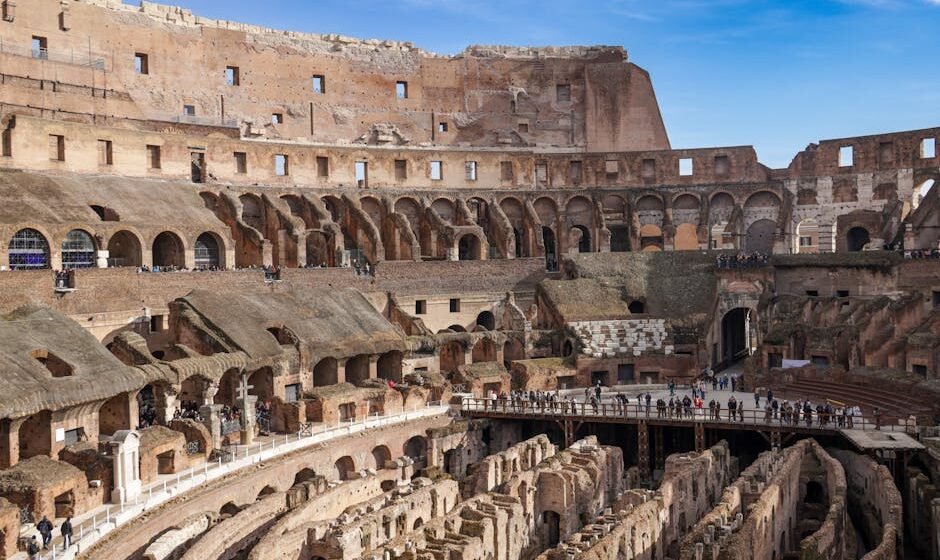
Secrets Behind Rome’s Self-Healing Concrete Leads Scientist to Launch Roman-Style Concrete Business
For centuries, the enduring strength of ancient Roman structures has left scientists and engineers puzzled. Now, recent research into the composition of Roman concrete has not only revealed the secret behind its remarkable longevity but also inspired a scientist to establish a business dedicated to producing concrete based on these ancient methods.
Table Of Content
Ancient Engineering: The Secret Ingredient
Roman concrete, used in iconic structures such as the Pantheon and aqueducts, has outlasted countless modern constructions. The key to its resilience lies in a unique component: small white chunks known as “lime clasts.” These inclusions, once considered accidental, have now been identified as a deliberate addition that enables the concrete to heal itself over time.
Researchers discovered that when cracks form, water interacts with these lime clasts, triggering a chemical reaction that produces new minerals, effectively sealing the fissures. This self-healing property has allowed Roman concrete to withstand centuries of environmental stress.
Turning Ancient Wisdom into Modern Innovation
Inspired by these findings, scientist Dr. Marie Jackson has launched a startup focused on manufacturing concrete that replicates the ancient Roman formula. Her company aims to bring this durable, environmentally friendly material to modern construction projects, potentially transforming the industry’s approach to sustainability and longevity.
- Utilizes volcanic ash and lime, mimicking Roman recipes
- Reduces carbon emissions compared to traditional Portland cement
- Offers increased durability and self-repairing capabilities
Potential Impact on Construction
The adoption of Roman-style concrete could mark a significant shift in building practices. Modern concrete, while strong, is prone to cracking and deterioration, leading to costly repairs and environmental concerns. The self-healing nature of the Roman-inspired material could extend the lifespan of infrastructure, reduce maintenance expenses, and minimize the ecological footprint of construction.
Looking Ahead
With the launch of this innovative business, the ancient secrets of Roman engineering may soon play a pivotal role in shaping the future of construction. As more builders and architects seek sustainable solutions, Roman-style concrete could become a cornerstone of modern infrastructure.
Read more at this link.