

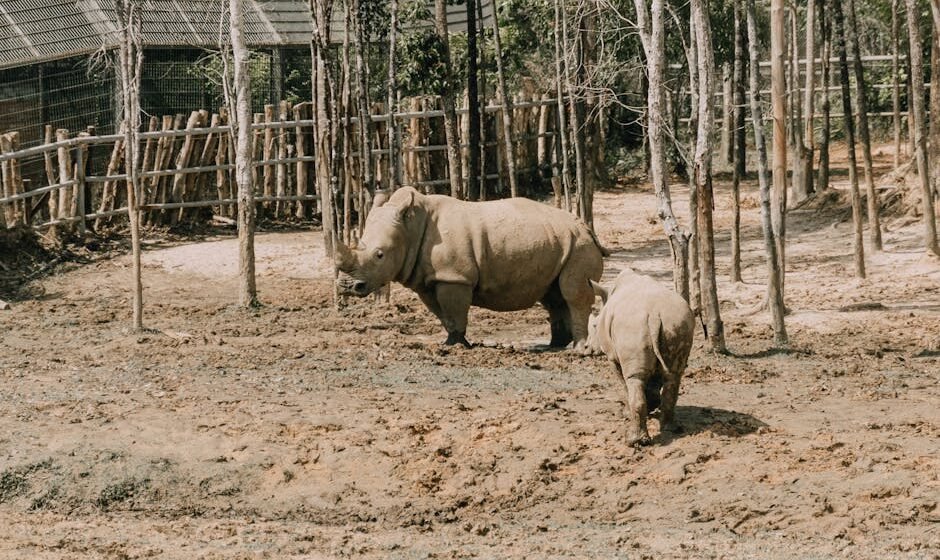
Diseased Rhino Recovers After Florida Zoo Team Surprise Locals with Pioneering Veterinary Tactics
Unexpected Health Crisis for Endangered Rhino
Residents in a Florida town were taken aback when a rare rhinoceros at a local zoo suddenly fell seriously ill. The animal, a southern white rhino named Nia, began displaying alarming symptoms, including loss of appetite and lethargy, prompting immediate concern among zookeepers and veterinarians.
Table Of Content
Veterinary Experts Mobilize for Intensive Treatment
The zoo’s veterinary staff quickly assembled, determined to identify the cause of Nia’s illness. After a thorough examination and a series of diagnostic tests, the team discovered a severe bacterial infection was threatening the rhino’s life. Recognizing the urgency, they implemented a novel treatment plan that combined advanced medical technology with hands-on care.
Pioneering Medical Techniques
- Specialized intravenous antibiotics tailored to large mammals
- Custom hydration therapy to stabilize vital signs
- Continuous monitoring using remote health sensors
Community Watches as Recovery Progresses
As word of Nia’s condition spread, local residents and animal lovers followed her progress closely. The zoo provided regular updates, sharing both challenges and breakthroughs in the rhino’s recovery journey. The veterinary team’s creative approach drew praise from animal health professionals nationwide.
Triumphant Return to Health
After several tense weeks, Nia began to show signs of improvement. Her appetite returned, and she gradually regained her strength. The team celebrated as she resumed her usual activities, delighting visitors with her playful demeanor. The success story has inspired hope for the treatment of other endangered species facing similar health threats.
Setting a New Standard in Wildlife Care
The zoo’s innovative response to Nia’s illness has set a precedent for veterinary care in zoological settings. Their willingness to adopt new techniques and collaborate with experts has not only saved a precious animal but also provided valuable insights for future cases. The community continues to support the zoo’s mission, eager to see what advancements may come next.
Read more at this link.