

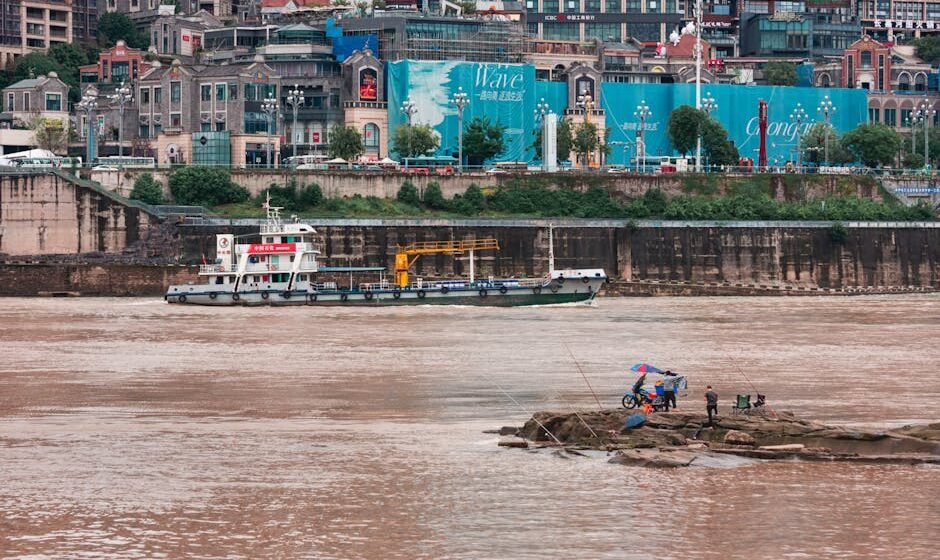
China’s Yangtze River Rebounds After Fishing Ban and Investment to Reemploy 200,000 Fishermen
The Yangtze River, China’s longest waterway, is experiencing a revival after the implementation of a comprehensive fishing ban and substantial efforts to assist former fishermen in transitioning to new livelihoods.
Table Of Content
Positive Environmental Changes Observed
Recent surveys indicate a noticeable improvement in the river’s ecosystem. Fish populations, which had been in decline due to overfishing and pollution, are beginning to rebound. The fishing moratorium, which began in 2021, covers a 10-year period and aims to restore biodiversity and protect endangered species native to the Yangtze basin.
According to environmental experts, early signs are promising. “We are seeing a gradual return of several indigenous fish species,” said a local conservationist. “The ecosystem is showing resilience, and water quality is improving.”
Transition Support for Displaced Fishermen
The fishing ban directly impacted around 200,000 fishermen and their families, many of whom relied on the river for their primary source of income. To address this, authorities launched a multi-billion yuan initiative to provide alternative employment opportunities and financial assistance.
- Job training programs in aquaculture, tourism, and environmental monitoring
- Direct financial compensation to affected households
- Support for small business startups and agricultural ventures
One former fisherman shared, “With the training and support, I’ve started working in eco-tourism. It’s a new beginning for my family.”
Long-Term Goals for the Yangtze
The fishing ban is part of a broader strategy to safeguard the river’s ecological health and ensure sustainable development along its banks. Authorities hope the measures will not only restore fish stocks but also improve water quality and promote responsible land use.
Officials stress the importance of continued investment and community involvement. “Protecting the Yangtze is a long-term commitment,” said a spokesperson. “We must balance environmental protection with the well-being of local residents.”
Looking Ahead
As the Yangtze River begins to recover, the success of the fishing ban and reemployment programs is being closely watched. The experience may serve as a model for other regions facing similar challenges in balancing conservation with economic needs.