
Hawaii University Hauls 84 Tons of Derelict Fishing Gear from Pacific Ocean Garbage Patch
A university team from Hawaii has successfully extracted 84 tons of discarded fishing equipment from the Great Pacific Garbage Patch, a massive accumulation of marine debris located between Hawaii and California.
Table Of Content
Major Cleanup Operation
Researchers and volunteers from the University of Hawaii at Manoa’s Hawaii Pacific University Center for Marine Debris Research undertook a three-week expedition to collect abandoned nets, ropes, and other fishing materials from the remote ocean area. The group sailed aboard the marine vessel Imua, gathering debris from the North Pacific Subtropical Gyre, which is notorious for trapping floating waste.
Environmental Impact
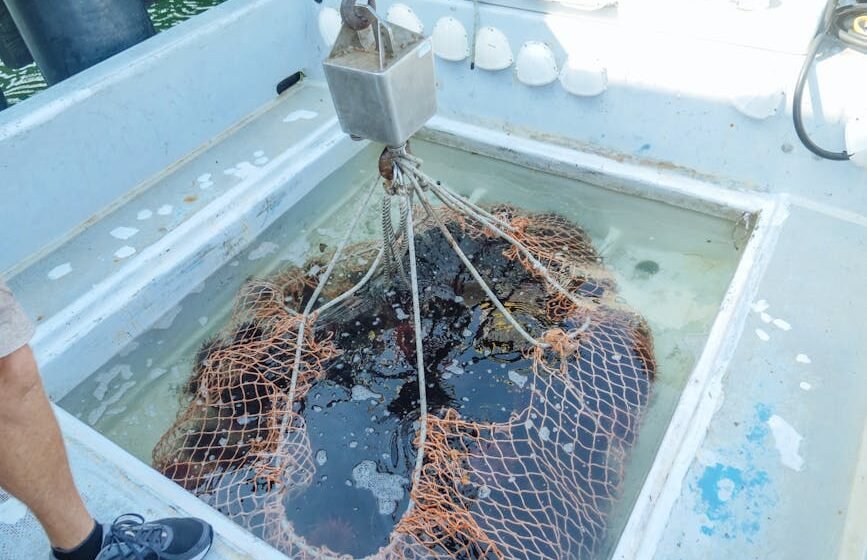
The team’s efforts focused on removing derelict fishing gear, which poses significant threats to marine life. These so-called “ghost nets” can entangle sea turtles, dolphins, whales, and other marine animals, often leading to injury or death. By extracting these hazards, the group aims to protect vulnerable species and reduce the risk of further environmental damage.
What Was Collected
- Ghost nets and fishing lines
- Plastic ropes
- Assorted marine debris
In total, the haul weighed approximately 84 tons, equivalent to the weight of more than a dozen elephants. The debris was transported back to Honolulu, where it will be sorted and processed for recycling or safe disposal.
Ongoing Challenges
Despite this significant removal, experts emphasize that the Great Pacific Garbage Patch remains a persistent problem. The area, which covers hundreds of thousands of square miles, continues to accumulate waste from around the world. The university team noted that ongoing international cooperation and regular cleanup missions are essential to address the growing issue of ocean pollution.
Future Plans
The Hawaii Pacific University Center for Marine Debris Research plans to continue its efforts, with future expeditions already in the works. The group encourages public awareness and support for initiatives aimed at reducing plastic and fishing gear waste in the world’s oceans.
For more details, visit the original report at this link.