

Are high gas prices good news for EVs? It’s complicated.
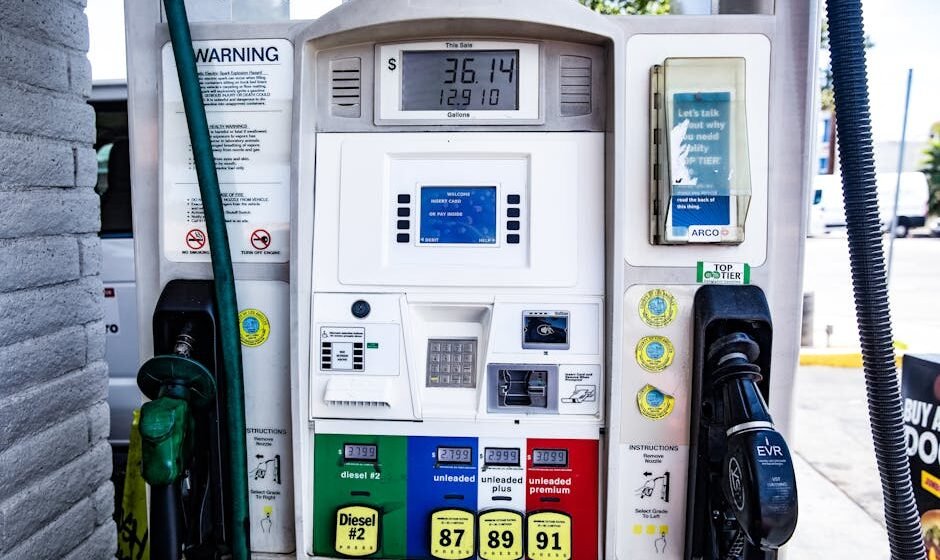
With gasoline prices climbing, many are wondering if this trend will accelerate the shift toward electric vehicles (EVs). While high fuel costs might seem like a clear advantage for EV adoption, the reality involves a mix of factors that complicate the picture.
Table Of Content
Fuel Costs and Consumer Choices
Historically, spikes in gas prices have prompted consumers to consider more fuel-efficient options, including hybrids and EVs. The logic is straightforward: as filling up becomes more expensive, alternatives that rely less on gasoline become more appealing. However, the decision to switch to an electric vehicle is influenced by more than just prices at the pump.
Other Factors at Play
- Upfront Cost: Electric vehicles often have higher purchase prices compared to their gasoline counterparts, even though they may save money over time.
- Charging Infrastructure: The availability and convenience of charging stations can be a deciding factor for many potential buyers.
- Range Anxiety: Concerns about how far an EV can travel on a single charge still deter some drivers.
- Incentives and Policies: Government rebates, tax credits, and regulations can significantly influence the attractiveness of EVs.
Market Response to Gas Price Surges
When gas prices rise sharply, there is often a noticeable uptick in interest for electric vehicles. Dealerships report increased inquiries, and online searches for EVs tend to spike. However, this interest does not always translate into immediate sales. Supply chain constraints, limited inventory, and long wait times for popular models can slow the transition.
Automakers Adjusting Strategies
Car manufacturers are paying close attention to these trends. Many are accelerating their EV development and expanding their electric offerings, anticipating that sustained high fuel prices will eventually drive more consumers to make the switch. Some automakers are also investing in battery technology and charging networks to address common concerns.
Economic and Environmental Implications
Beyond individual consumer choices, the broader economic and environmental impacts are significant. Higher gas prices can reduce overall fuel consumption, which may lower emissions in the short term. A larger shift to electric vehicles could further decrease reliance on fossil fuels and contribute to climate goals.
Challenges Remain
Despite the potential benefits, challenges persist. The transition to electric vehicles requires substantial investment in infrastructure, changes in manufacturing, and adaptation by consumers. Additionally, the environmental impact of battery production and electricity generation varies by region.
The Road Ahead
While high gas prices can encourage more people to consider electric vehicles, the path to widespread adoption is influenced by a complex set of factors. As technology advances and policies evolve, the relationship between fuel prices and EV popularity will continue to develop.