

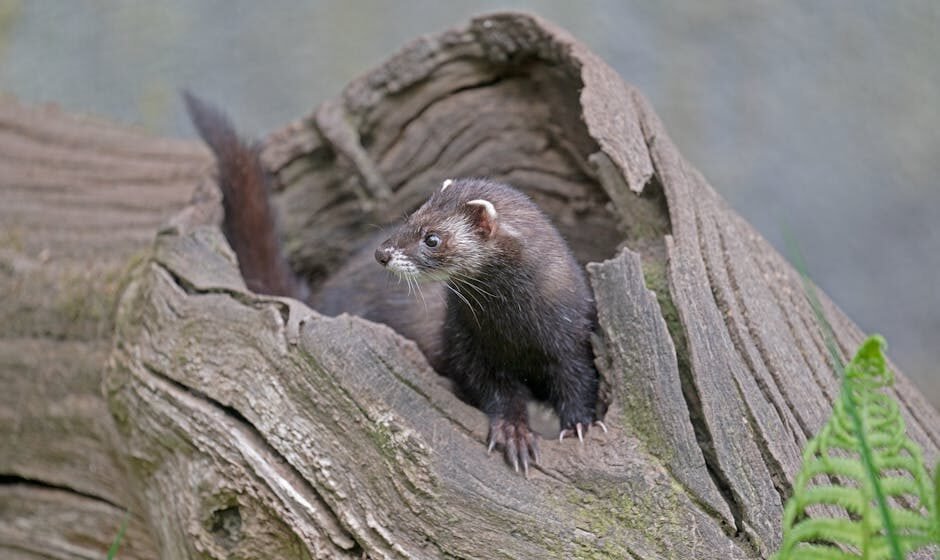
Eradication of Invasive Ferrets Within N. Ireland’s Largest Seabird Colony Is a World First
Conservationists have accomplished a groundbreaking feat by successfully eliminating invasive ferrets from Rathlin Island, the largest seabird breeding site in Northern Ireland. This achievement marks the first time a complete eradication of ferrets has been recorded anywhere in the world, setting a precedent for future wildlife protection efforts.
Table Of Content
Protecting Vital Seabird Populations
Rathlin Island, located off the coast of County Antrim, is home to over 250,000 seabirds, including puffins, razorbills, and guillemots. For decades, these native species faced significant threats from invasive ferrets, which preyed on eggs and chicks, causing sharp declines in bird numbers.
In response, a coalition of conservation organizations launched an ambitious project in 2018 to remove ferrets and rats from the island. The initiative aimed to restore the delicate balance of the ecosystem and secure a future for the island’s seabird colonies.
Innovative Conservation Methods
The eradication project utilized a combination of humane trapping, monitoring, and community engagement. Conservation teams worked closely with local residents, ensuring that domestic animals remained safe throughout the process. Advanced tracking technology was employed to monitor ferret activity and confirm the absence of the invasive species.
- Humane live traps were set across the island
- Specialist detection dogs assisted in locating ferrets
- Regular surveys and camera traps monitored progress
- Community members received guidance on protecting pets
Positive Outcomes for Wildlife
Following the removal of ferrets, early signs indicate a resurgence in seabird populations. Conservationists have reported increased nesting success among puffins and other vulnerable species. The project’s success is expected to have lasting benefits for the island’s biodiversity and could serve as a model for similar efforts worldwide.
Global Significance
This world-first eradication demonstrates the effectiveness of targeted conservation strategies in protecting native wildlife from invasive predators. Experts hope that the lessons learned on Rathlin Island will inspire similar initiatives in other regions facing threats from non-native species.
For more details, visit the original report at this link.