
𝗦𝗵𝗼𝗲𝘀, 𝗦𝘁𝗼𝗿𝗶𝗲𝘀, 𝗮𝗻𝗱 𝗦𝗺𝗮𝗹𝗹 𝗖𝗵𝗼𝗶𝗰𝗲𝘀: 𝗦𝗼𝗲𝗵𝗹 𝗦𝘁𝘂𝗱𝗲𝗻𝘁𝘀 𝗗𝗶𝘀𝗰𝗼𝘃𝗲𝗿 𝘁𝗵𝗲 𝗣𝗼𝘄𝗲𝗿 𝗼𝗳 𝗞𝗶𝗻𝗱𝗻𝗲𝘀𝘀
Walking in Someone Else’s Shoes
In a recent classroom activity, students at Soehl Middle School had the chance to step into the shoes of others—literally and figuratively. The lesson aimed to help students understand empathy and the significance of everyday decisions in shaping a more compassionate community.
Table Of Content
Learning Through Stories
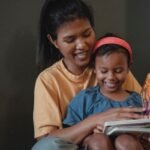
During the session, students listened to real-life accounts highlighting how small acts of kindness can make a significant difference. Teachers shared stories about individuals who changed someone’s day simply by offering a smile, lending a hand, or speaking a few encouraging words. These narratives encouraged students to reflect on their own actions and the ripple effect they can create.
Hands-On Activities
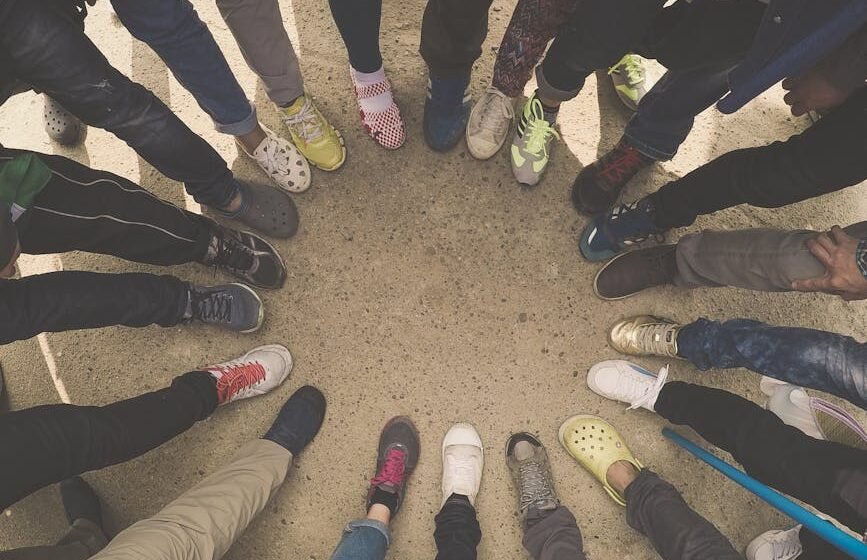
To reinforce the lesson, students participated in an interactive exercise. Each student was asked to bring a pair of shoes from home. The shoes were placed in a circle, and students took turns trying on different pairs. This symbolic gesture was designed to help them consider what it might feel like to walk in someone else’s footsteps, facing challenges and experiences different from their own.
Discussing Choices and Consequences
After the activity, the class gathered to discuss how small decisions—like choosing to be kind or to stand up for someone—can have lasting effects. Students shared their thoughts on how empathy can be practiced daily, both at school and in their personal lives. The conversation highlighted the importance of being mindful of others’ feelings and perspectives.
Key Takeaways
- Empathy can be developed through understanding and shared experiences.
- Simple gestures of kindness often have a greater impact than we realize.
- Everyday choices contribute to creating a supportive and inclusive environment.
Looking Ahead
The school plans to continue these lessons throughout the year, integrating similar activities into the curriculum. By encouraging students to think about the effects of their actions, educators hope to foster a culture of kindness and respect that extends beyond the classroom.