

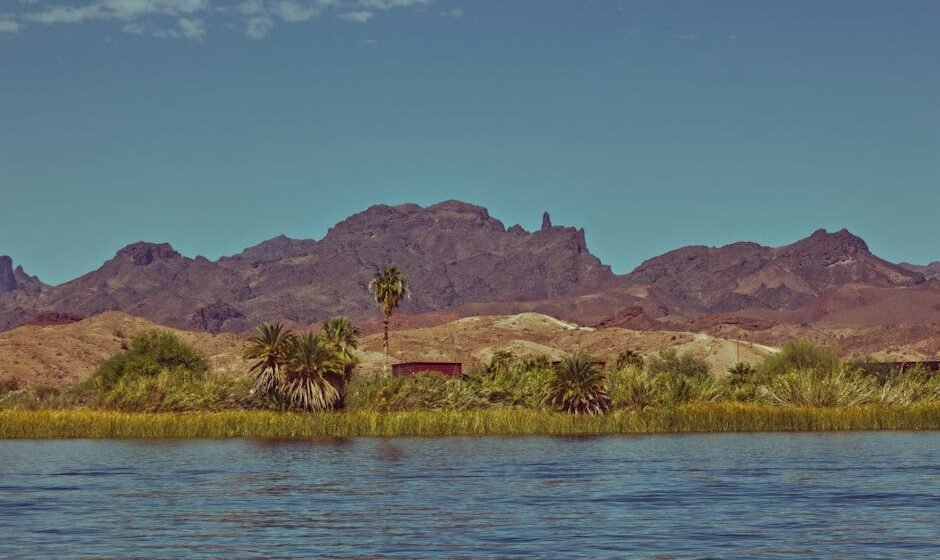
‘No good news’: Colorado River forecast gets historically bad
The outlook for the Colorado River has reached a concerning low, with recent forecasts indicating that water levels could drop to unprecedented depths. The river, a crucial source of water for millions across the Southwest, is now facing one of its most challenging periods in recorded history.
Table Of Content
Dire Predictions for Water Supply
According to the latest projections, the Colorado River is expected to experience its lowest flows in decades. Water managers warn that the situation is becoming increasingly severe, with little hope for significant improvement in the near future. The forecast, based on snowpack measurements and long-term climate trends, suggests that the river’s reservoirs will continue to decline.
“There’s no good news in this forecast,” said a regional water official. “We’re looking at historically low inflows, and that’s going to have a major impact on everyone who depends on the river.”
Impacts on Communities and Agriculture
The Colorado River supplies water to nearly 40 million people and supports vast agricultural regions. With the anticipated drop in water levels, cities and farms alike are preparing for tighter restrictions and potential shortages. Some communities are already implementing conservation measures, while farmers are bracing for reduced irrigation allocations.
- Urban centers may face stricter water use limits.
- Farmers could see cuts to their water deliveries.
- Hydropower generation at major dams is at risk.
Reservoirs at Critical Lows
Lake Mead and Lake Powell, the two largest reservoirs on the river, are approaching dangerously low levels. If current trends persist, officials warn that water releases from these reservoirs may need to be further reduced to prevent them from reaching “dead pool” status, where water can no longer flow downstream.
“We’re in uncharted territory,” said another water manager. “Every drop counts, and we have to plan for the worst-case scenario.”
Climate Change Intensifies the Crisis
Experts attribute much of the river’s decline to prolonged drought and rising temperatures driven by climate change. The region has seen below-average precipitation for years, and warmer conditions have led to increased evaporation and reduced snowpack, both of which diminish river flows.
Scientists caution that unless substantial changes occur—either through increased precipitation or significant reductions in water use—the Colorado River’s future remains uncertain.
Looking Ahead
Water agencies are working together to develop new strategies for managing the crisis. Negotiations among states that rely on the river are ongoing, with a focus on finding ways to share the shrinking resource more equitably. However, with the latest forecast offering little optimism, tough decisions lie ahead for everyone who depends on the Colorado River.
For more details, visit the full article at this link.