

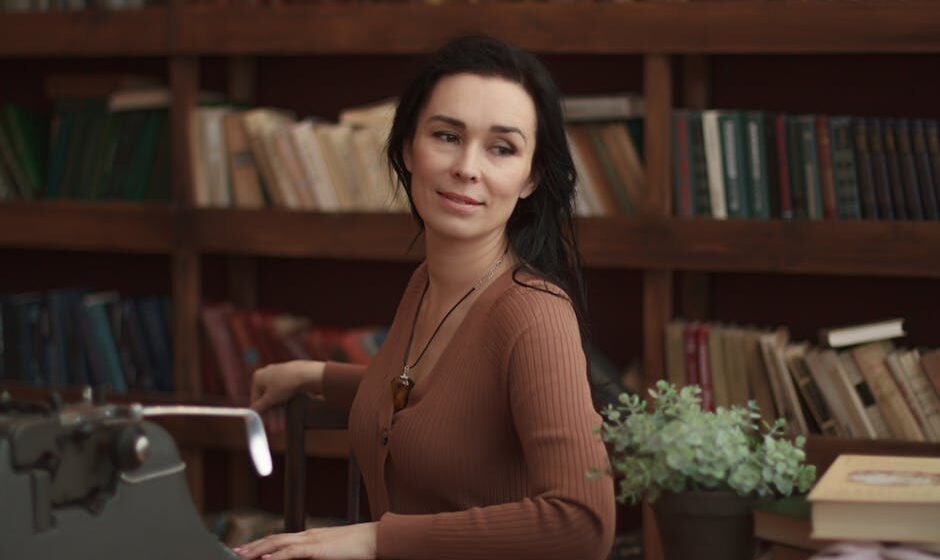
Q&A: Katherine Kovacic, Author of ‘No Good Deed’
What inspired you to write ‘No Good Deed’?
I was motivated by a desire to explore the stories of women who have made significant contributions to society but whose efforts have often gone unrecognized. I wanted to bring their achievements to light and share their experiences with a wider audience, highlighting the impact they’ve had on our world.
Table Of Content
- What inspired you to write ‘No Good Deed’?
- How did you choose which women to feature in the book?
- Did you discover any surprising stories during your research?
- What message do you hope readers take away from ‘No Good Deed’?
- Can you share some of your writing process?
- What challenges did you face while working on this book?
- Are there any particular stories in the book that stand out to you?
- What advice would you give to aspiring writers interested in historical subjects?
- What are you working on next?
How did you choose which women to feature in the book?
The selection process involved extensive research and a lot of reading. I looked for women whose actions had a lasting effect, whether in their communities or on a broader scale. It was important to include a diverse range of backgrounds, time periods, and fields, so readers could see the breadth of women’s influence throughout history.
Did you discover any surprising stories during your research?
Absolutely. Many of the women I encountered had stories that were both unexpected and inspiring. For example, I learned about individuals who overcame significant obstacles to achieve their goals, often working behind the scenes or in challenging circumstances. Their determination and resilience were remarkable.
What message do you hope readers take away from ‘No Good Deed’?
I hope readers come away with a greater appreciation for the contributions women have made across all areas of life. My aim is to encourage people to look beyond the familiar names and recognize the many unsung heroes who have shaped our world. I also hope it inspires readers to consider the ways they can make a difference themselves.
Can you share some of your writing process?
My writing process usually begins with a lot of research. I gather as much information as possible, then organize it into themes or stories that resonate with me. Once I have a structure, I start writing, always aiming to balance factual accuracy with engaging storytelling. I also spend time revising to ensure each story is clear and compelling.
What challenges did you face while working on this book?
One of the main challenges was narrowing down the list of women to include. There are so many incredible stories, and it was difficult to decide which ones to feature. Additionally, finding reliable sources for some lesser-known figures required persistence and creative research methods.
Are there any particular stories in the book that stand out to you?
Several stories have stayed with me, but one that stands out is about a woman who quietly transformed her community through small, consistent acts of kindness. Her story is a reminder that even modest efforts can lead to significant change over time.
What advice would you give to aspiring writers interested in historical subjects?
I would encourage aspiring writers to be curious and persistent in their research. Don’t be afraid to dig deeper and look for stories that haven’t been widely told. It’s also important to approach your subjects with empathy and respect, striving to present their experiences authentically.
What are you working on next?
I’m currently exploring new projects that continue to highlight overlooked stories from history. I’m particularly interested in uncovering more narratives about individuals who made a difference in unexpected ways. Stay tuned for more details as these ideas develop.