

How some U.S. schools are teaching kindness classes: “Just makes me want to be a better person”
Across the United States, a growing number of schools are weaving kindness and empathy into their daily curriculum. These lessons, often referred to as “kindness classes,” are designed to help students develop social and emotional skills alongside traditional academics.
Table Of Content
Fostering Empathy in the Classroom
At a school in California, students gather in a circle to discuss how their actions affect others. They share stories, listen to classmates, and practice expressing gratitude. Teachers guide the conversation, encouraging children to reflect on their feelings and the impact of their words.
One fifth-grader shared, “It just makes me want to be a better person.” Such sentiments are becoming more common as students participate in activities that highlight the importance of kindness and understanding.
Why Kindness Education Matters
Educators and researchers say that teaching kindness can lead to a more positive school environment. Studies suggest that students who feel safe and supported are more likely to succeed academically and socially.
- Improved classroom behavior
- Reduced incidents of bullying
- Stronger student-teacher relationships
These benefits have prompted more schools to adopt programs focused on social-emotional learning (SEL), which often include lessons on empathy, cooperation, and conflict resolution.
How Kindness Is Taught
Kindness lessons can take many forms. Some schools use structured programs with specific activities, while others integrate themes of empathy and respect into existing subjects. For example, students might:
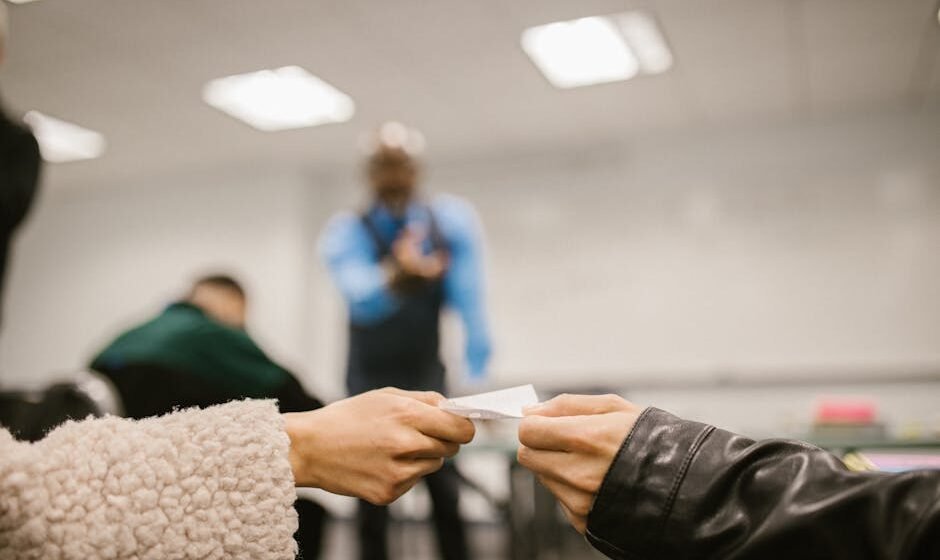
- Write thank-you notes to classmates or staff
- Participate in group projects that require teamwork
- Role-play scenarios to practice resolving disagreements
Teachers say these activities help students build emotional intelligence and learn how to navigate relationships both inside and outside the classroom.
Challenges and Opportunities
While many educators support the idea of kindness education, some face challenges in implementing these programs. Limited time, resources, and training can make it difficult to prioritize social-emotional learning alongside academic requirements.
Despite these obstacles, schools that have embraced kindness lessons report positive changes. Students are more engaged, and teachers notice a shift in the overall school culture. “It’s about creating an environment where everyone feels valued,” one principal explained.
The Future of Kindness in Schools
As awareness of mental health and emotional well-being grows, more schools are considering how to incorporate kindness into their curriculum. Advocates hope that these efforts will not only improve academic outcomes but also help students become more compassionate citizens.