

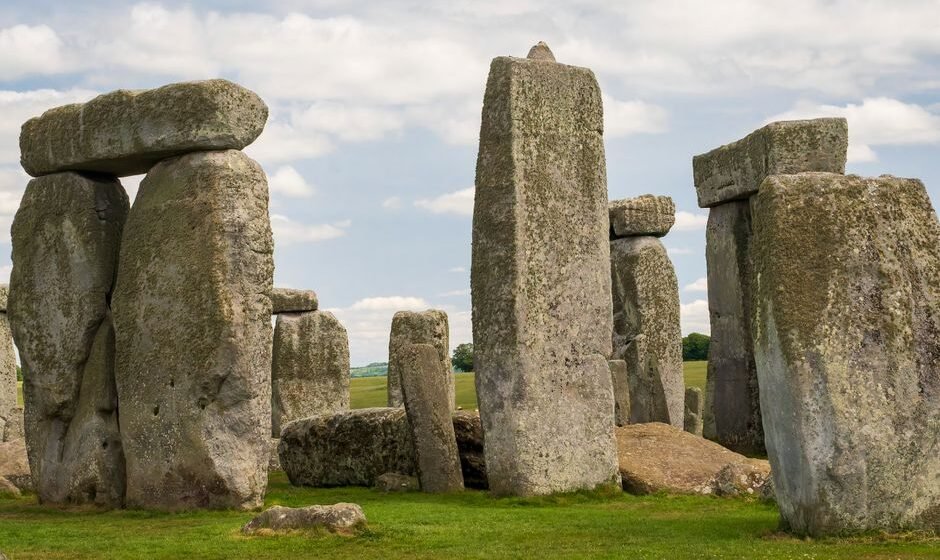
A ‘Stonehenge Prototype’ Aligned with the Solstices Is a Once in a Lifetime Find for These Archaeologists
Archaeologists have uncovered an extraordinary ancient monument that may represent an early version of Stonehenge, with its design precisely aligned to the summer and winter solstices. This remarkable discovery is being hailed as a rare and significant find, offering new insights into prehistoric ceremonial practices.
Table Of Content
Discovery of a Prehistoric Monument
The site, located in the British countryside, features a circular arrangement of large stones and earthen banks. Experts believe the structure dates back thousands of years, predating the construction of Stonehenge itself. The monument’s layout appears to have been carefully planned, with its entrances and main features positioned to mark the sunrise and sunset during the solstices.
Solstice Alignment and Its Importance
Researchers have determined that the monument’s orientation is not accidental. The alignment with the solstices suggests that the builders possessed a sophisticated understanding of astronomy and the changing seasons. Such knowledge would have been crucial for agricultural societies, helping to mark important times of the year for planting and harvesting.
- The monument’s main entrance faces the point on the horizon where the sun rises on the summer solstice.
- Another key feature aligns with the sunset during the winter solstice.
This careful positioning indicates that the site likely played a central role in rituals and gatherings tied to the solar calendar.
Archaeological Significance
Experts describe the find as a “once in a lifetime” discovery, as monuments of this type and age are exceptionally rare. The site’s preservation allows researchers to study construction techniques and ceremonial uses from a period that remains largely mysterious.
According to the team, the monument’s design shares similarities with Stonehenge, but its earlier date suggests it could have influenced later, more famous structures. The discovery opens up new possibilities for understanding the development of prehistoric architecture and religious practices in the region.
What Comes Next?
Archaeologists plan to continue excavating the site, hoping to uncover artifacts and further details about the people who built the monument. By analyzing soil samples, tools, and any human remains, they aim to piece together the story of the community that constructed this ancient structure.
The team is also working with local authorities to ensure the site is protected and preserved for future generations. There are discussions about creating educational programs and visitor opportunities to share the monument’s story with the public.
Broader Implications
This discovery not only sheds light on early monument building but also highlights the importance of astronomical knowledge in prehistoric societies. The alignment with the solstices demonstrates a deep connection between ancient people and the natural world, emphasizing the role of the sky in shaping cultural and spiritual life.