

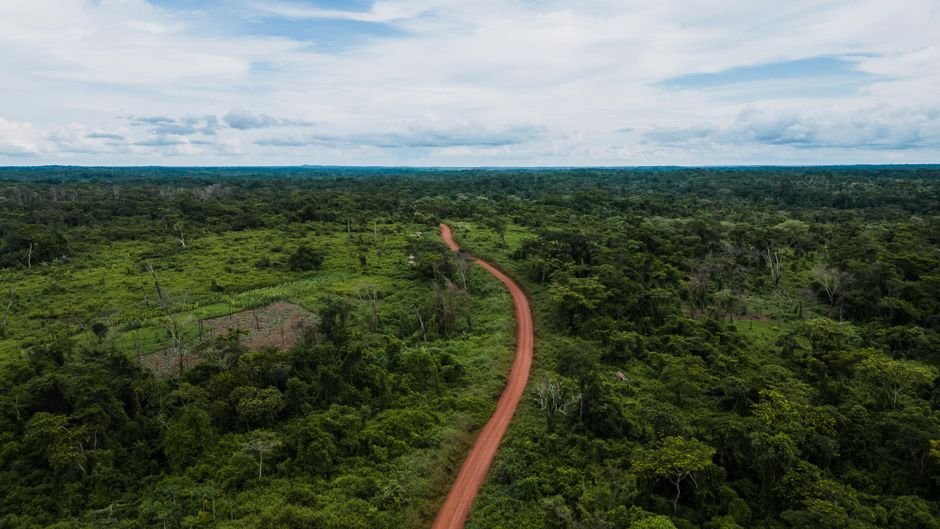
New analysis breaks down 2025 Amazon deforestation, with good news and bad news – news
Overview of 2025 Amazon Deforestation Trends
A recent comprehensive study has provided new insights into the state of deforestation in the Amazon for 2025, highlighting both encouraging progress and ongoing challenges. The findings offer a nuanced look at how conservation efforts and policy changes are influencing the world’s largest rainforest.
Table Of Content
Positive Developments in Forest Protection
The analysis points to a noticeable reduction in deforestation rates in several regions of the Amazon. This improvement is largely attributed to strengthened enforcement of environmental regulations and increased investment in sustainable land management. Many local communities and governments have implemented new strategies to curb illegal logging and promote reforestation.
- Enhanced monitoring technology has improved detection of illegal activities.
- Community-led conservation projects have expanded their reach.
- International partnerships have provided additional funding and resources.
Persistent Challenges and Areas of Concern
Despite these positive steps, the report also emphasizes areas where deforestation remains a serious issue. Certain regions continue to experience high rates of forest loss, driven by agricultural expansion, mining, and infrastructure development. The analysis warns that without further intervention, these hotspots could undermine broader conservation gains.
- Large-scale agriculture continues to push into previously untouched forest areas.
- Mining operations are expanding, often with limited oversight.
- Infrastructure projects, such as new roads, are increasing access to remote regions.
Key Data and Regional Variations
The study provides detailed data on deforestation rates across different Amazonian countries. While some nations have achieved significant reductions, others have seen little change or even increases in forest loss. The report highlights the importance of tailored approaches that consider local economic and social factors.
| Country | Deforestation Change (2025) | Main Drivers |
|---|---|---|
| Brazil | Decrease | Stronger enforcement, community initiatives |
| Peru | Stable | Mixed enforcement, agricultural expansion |
| Colombia | Increase | Mining, infrastructure |
Looking Ahead: Recommendations for 2026 and Beyond
Experts involved in the analysis suggest that continued progress will depend on a combination of policy enforcement, community engagement, and international cooperation. They recommend scaling up successful pilot projects, increasing transparency in land use decisions, and providing more support for indigenous land rights.
- Expand funding for local conservation initiatives.
- Strengthen cross-border collaboration to address illegal activities.
- Promote sustainable economic alternatives for communities.
Conclusion
The 2025 assessment of Amazon deforestation presents a complex picture. While notable improvements have been made in some areas, significant threats persist. The report underscores the need for sustained commitment and innovative solutions to ensure the long-term health of the Amazon rainforest.