

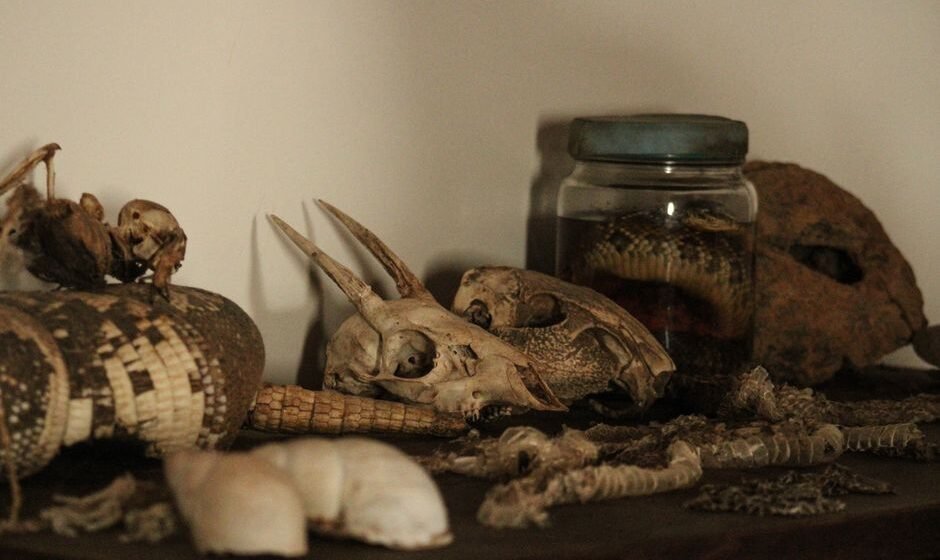
In pictures: How forensic science is helping tackle wildlife poaching
Uncovering Clues in the Fight Against Illegal Wildlife Trade
Across the globe, wildlife poaching remains a significant threat to countless species. However, advancements in forensic science are providing new hope in the battle to protect endangered animals. By applying techniques commonly used in criminal investigations, experts are now able to gather crucial evidence from crime scenes, track down poachers, and support prosecutions.
Table Of Content
Forensic Science at the Crime Scene
When authorities discover evidence of poaching, such as animal carcasses or illegal traps, forensic teams are called in to meticulously examine the site. Specialists collect samples including hair, blood, and tissue, which can reveal vital information about the species involved and the circumstances of the crime.
Laboratory Analysis: DNA and Beyond
Back in the lab, scientists analyze the collected samples using advanced methods. DNA profiling can identify the species, and sometimes even the individual animal, linking seized products like ivory or rhino horn to specific poaching incidents. This process also helps determine the origin of trafficked wildlife products, aiding international efforts to disrupt smuggling networks.
Supporting Law Enforcement and Prosecution
The evidence gathered through forensic techniques is essential for building strong legal cases against poachers and traffickers. Detailed reports and expert testimony can make the difference in court, ensuring that those responsible for wildlife crimes are held accountable.
Global Collaboration in Wildlife Forensics
Wildlife forensic science is a collaborative effort, with organizations and laboratories around the world sharing knowledge and resources. International partnerships help standardize methods and improve the effectiveness of investigations, making it harder for poachers to evade justice.
Innovative Tools and Techniques
- DNA barcoding to identify species from small samples
- Isotope analysis to trace the geographic origin of animal products
- Digital databases to match DNA profiles across borders
- Microscopy to examine trace evidence like fibers and pollen
Impact on Conservation Efforts
By strengthening the ability to investigate and prosecute wildlife crimes, forensic science is playing a vital role in conservation. These scientific advances not only help bring offenders to justice but also deter future poaching, offering hope for the survival of threatened species.