

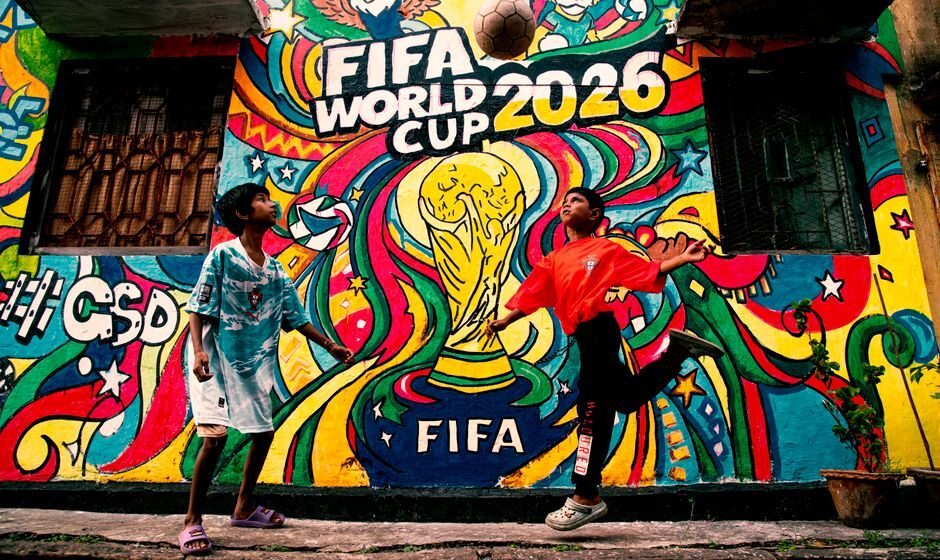
World Cup 2026 – the good, the bad and the ugly
The Excitement Builds
The anticipation for the 2026 FIFA World Cup is growing as football fans worldwide look forward to a tournament that promises to be unlike any before. With the event set to be jointly hosted by the United States, Canada, and Mexico, the stage is set for a truly global celebration of the sport. The expanded format, new host cities, and increased participation are just some of the factors fueling excitement.
Table Of Content
What’s New for 2026?
This edition of the World Cup will introduce several significant changes. The most notable is the expansion from 32 to 48 teams, allowing more nations to compete on football’s biggest stage. The tournament will also feature 16 host cities spread across North America, offering fans a chance to experience matches in a variety of vibrant locations.
- 48 teams participating, up from 32
- 16 host cities across three countries
- More matches and increased global representation
The Positives: Diversity and Opportunity
The expanded format opens the door for nations that have never before qualified for the World Cup. This increased representation is expected to inspire new generations of players and fans, particularly in regions where football is still developing. The shared hosting arrangement also highlights international cooperation and provides a unique opportunity for North America to showcase its passion for the sport.
Challenges and Concerns
Despite the positives, the new format brings its own set of challenges. The increase in teams and matches raises concerns about the tournament’s length and the physical demands on players. There are also logistical hurdles to overcome, such as coordinating travel across vast distances and ensuring consistent fan experiences in different cities.
- Longer tournament duration
- Potential for player fatigue
- Complex travel and scheduling logistics
Potential Pitfalls
Some critics worry that the expanded field could dilute the quality of competition, with more one-sided matches in the early stages. There are also questions about whether all host cities have the necessary infrastructure and fan culture to create the electric atmosphere that defines the World Cup.
Looking Ahead
While there are valid concerns, the 2026 World Cup also presents a unique opportunity for growth and innovation in international football. The tournament’s success will depend on how well organizers address logistical challenges and maintain the competitive spirit that makes the World Cup special. Fans around the world are eager to see how this bold new chapter in football history unfolds.
For more details, visit this link.