

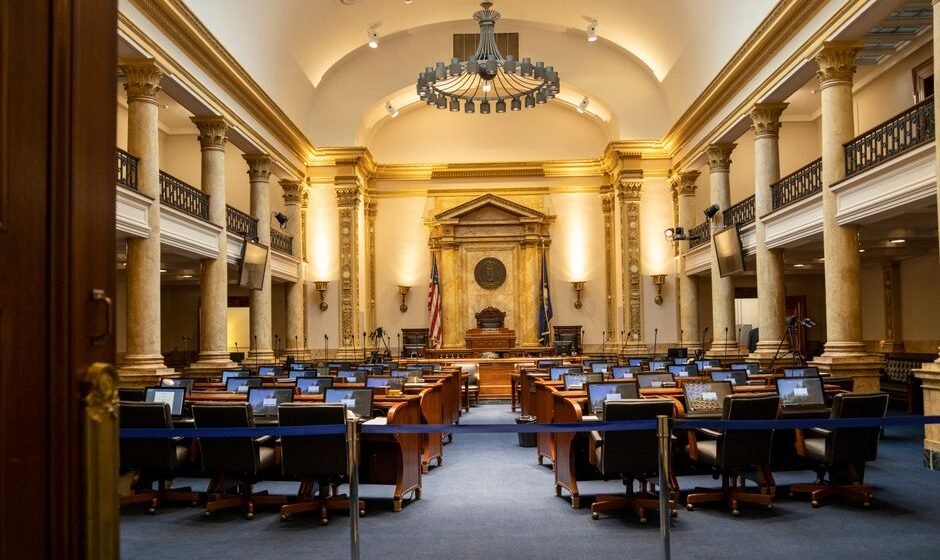
Dem Senate hopeful ripped as ‘absentee legislator’ after missing nearly 60% of votes
Candidate Faces Scrutiny Over Missed Votes
A Democratic contender for the U.S. Senate is under fire after records revealed that they were absent for nearly 60% of legislative votes during their current term. The attendance record has sparked criticism from political opponents and raised questions about the candidate’s commitment to their legislative responsibilities.
Table Of Content
Legislative Attendance in the Spotlight
Recent data shows that the Senate hopeful missed a significant number of votes, with their absence rate approaching 60%. This figure stands out compared to the average attendance of their colleagues, many of whom maintained much higher participation rates throughout the same period.
Opponents Seize on Absentee Record
Political adversaries have seized the opportunity to label the candidate as an “absentee legislator,” arguing that such a record demonstrates a lack of dedication to the constituents. Critics claim that missing so many votes undermines the candidate’s ability to represent the interests of the people they were elected to serve.
Candidate’s Response to Criticism
In response to the mounting criticism, the Senate candidate’s campaign has defended their record, citing personal and professional obligations that required their attention during the legislative session. The campaign emphasized the candidate’s achievements and ongoing commitment to public service, despite the absences.
Key Points from the Candidate’s Statement:
- The candidate has been actively engaged in community initiatives outside the legislature.
- They have sponsored and supported several key pieces of legislation.
- The campaign asserts that the candidate remains focused on the needs of their constituents.
Potential Impact on Senate Race
The controversy over the candidate’s attendance record has become a focal point in the Senate race. Opponents are using the issue to question the candidate’s reliability and effectiveness, while supporters argue that the candidate’s broader contributions to the community should be considered.
What’s Next?
As the election approaches, both sides are expected to continue highlighting the attendance issue. Voters will ultimately decide whether the candidate’s record in the legislature aligns with their expectations for a U.S. Senator.
For more details, visit the original report at this link.