

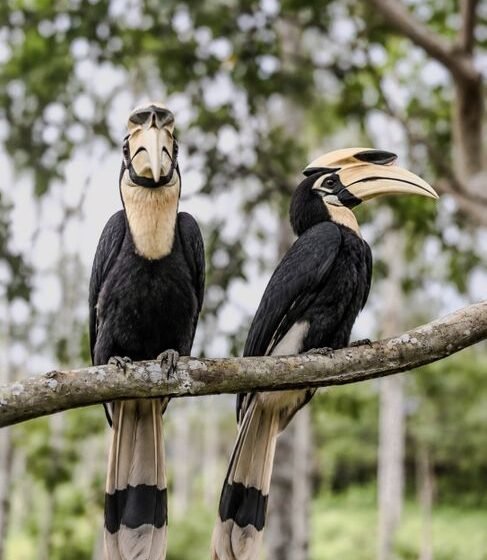
Vanished Hornbill Species Breeding Again After 60 Years Among Old Trees
For the first time in 60 years, a rare hornbill species has been observed breeding again in the wild, thanks to the preservation of mature forest habitats. Conservationists have documented the birds nesting among towering, centuries-old trees, marking a significant milestone in efforts to revive the population of this elusive bird.
Table Of Content
Rediscovery in Ancient Woodlands
The hornbill, once thought to have vanished from its native range, was spotted by researchers conducting routine surveys in a protected forest reserve. The team discovered a pair tending to a nest high in the branches of a massive tree, a sight not recorded in decades. The presence of eggs and attentive parental care confirmed active breeding for the first time since the 1960s.
Importance of Old-Growth Trees
Experts attribute this breakthrough to the survival of ancient trees, which provide the large, hollow cavities hornbills require for nesting. These trees, some over 200 years old, have become increasingly rare due to logging and land conversion. Their preservation has proven essential for the hornbill’s return.
- Old-growth trees offer secure nesting sites
- Abundant food sources found in mature forests
- Stable habitat supports breeding success
Conservation Efforts Pay Off
Decades of habitat protection and anti-logging measures in the region have allowed key sections of forest to recover. Conservation groups have worked closely with local communities to monitor wildlife and prevent illegal activities. These collaborative efforts have created a safe haven for the hornbill and other threatened species.
Community Involvement
Local residents have played a crucial role in safeguarding the forest. Through education programs and sustainable livelihood initiatives, communities have become active stewards of the land, helping to report sightings and deter poaching.
Hope for the Future
The successful breeding of the hornbill offers renewed hope for the species’ survival. Conservationists are optimistic that continued protection of old-growth forests will enable more pairs to nest and raise young in the coming years.
To learn more about this conservation success, visit the original report.