

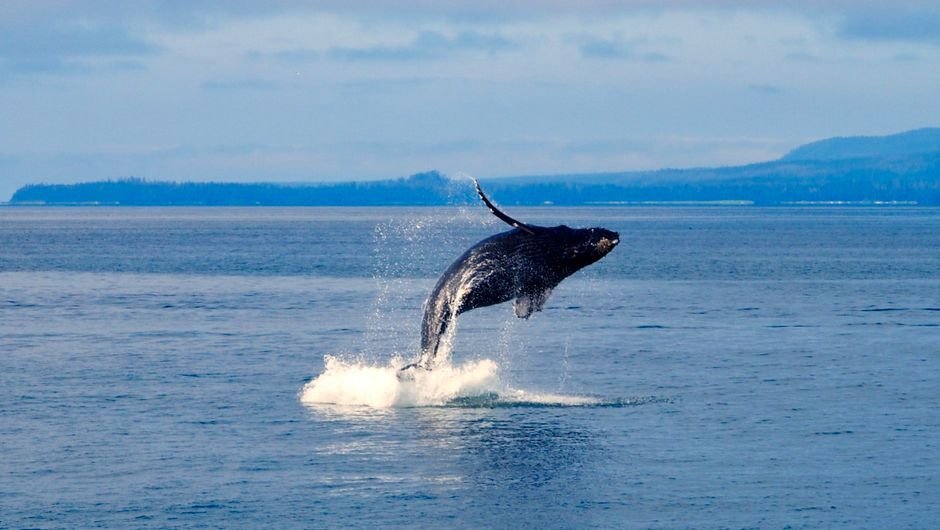
Genetic Analysis All But Confirms the Most Unique of Humpback Populations Is Actually a Subspecies
A recent genetic investigation has provided compelling evidence that a particularly distinctive population of humpback whales in the Arabian Sea should be classified as a separate subspecies, setting them apart from other humpback populations worldwide.
Table Of Content
Unusual Humpbacks in the Arabian Sea
The Arabian Sea humpback whales have long intrigued scientists due to their isolation and unique behaviors. Unlike other humpback whales, which undertake extensive migrations between feeding and breeding grounds, this group remains in the Arabian Sea year-round. Their non-migratory lifestyle, coupled with distinct vocalizations and physical characteristics, has prompted researchers to question their taxonomic status for decades.
Genetic Evidence Points to Subspecies Status
In a comprehensive genetic analysis, researchers examined DNA samples from Arabian Sea humpbacks and compared them to samples from other populations across the globe. The results revealed significant genetic differences, indicating that the Arabian Sea whales have been isolated for approximately 70,000 years. This prolonged separation has led to unique genetic markers not found in other humpback groups.
Key Findings from the Study
- The Arabian Sea humpbacks show the highest level of genetic differentiation among all known humpback populations.
- Distinct genetic markers suggest a long-term separation from other populations.
- The evidence supports recognizing the Arabian Sea group as a subspecies, rather than just a regional population.
Conservation Implications
Recognizing the Arabian Sea humpbacks as a subspecies could have significant conservation consequences. This group is among the most endangered whale populations, with estimates suggesting only a few hundred individuals remain. Their limited range and small numbers make them particularly vulnerable to threats such as fishing gear entanglement, ship strikes, and habitat degradation.
Formal subspecies status may help prioritize conservation efforts and attract greater attention to their plight, potentially leading to stronger protections and international cooperation.
Next Steps for Research and Protection
The study’s authors emphasize the importance of continued monitoring and research to better understand the Arabian Sea humpbacks’ ecology and threats. They also call for collaborative conservation strategies involving countries bordering the Arabian Sea to ensure the survival of this unique subspecies.
For more details, visit the original article at this link.