

Helmand Families Say “Good Deed” Bread for Madrasas Has Become a Burden – 8AM Media
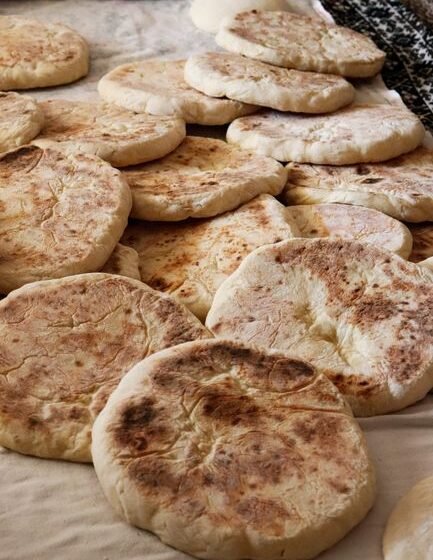
Families in Helmand province have voiced concerns that the tradition of providing bread to madrasas, once considered a charitable act, has become a significant hardship for many households. Residents say the practice, which was intended to support religious students, is now putting pressure on families already struggling with economic difficulties.
Table Of Content
Tradition Turns Into Obligation
In several districts across Helmand, it is customary for local families to donate bread to madrasas as an act of goodwill. However, many now feel this custom has shifted from a voluntary gesture to an expected obligation. Some families report feeling compelled to participate, even when they lack the resources to do so.
“We used to give bread when we could, but now it feels like we have no choice,” said one resident from Lashkargah. “If we don’t contribute, we face criticism from our neighbors and community leaders.”
Economic Struggles Amplify the Burden
With rising unemployment and limited access to income, many Helmand families are finding it increasingly difficult to meet their own basic needs. The expectation to provide bread for madrasas adds another layer of financial strain.
- Many households rely on daily wages, which are often insufficient to cover food and other essentials.
- Some families have had to reduce their own food intake to fulfill the bread donation custom.
- Community members report feeling anxious about not meeting social expectations.
Madrasas Rely on Community Support
Madrasas in Helmand depend heavily on local contributions to feed their students. Without these donations, many religious schools would struggle to provide meals. However, some residents believe that the responsibility should not fall solely on families who are themselves facing hardship.
“We respect the importance of religious education,” explained another local. “But it’s becoming impossible for us to keep up with these demands when we can barely feed our own children.”
Calls for Change
Some community leaders and residents are urging for a reevaluation of the bread donation practice. They suggest that alternative support systems or external assistance could help relieve the pressure on families while still ensuring that madrasas and their students are cared for.
“We need a solution that supports both the madrasas and the families,” said a Helmand elder. “Otherwise, this tradition will continue to cause hardship for those who can least afford it.”