

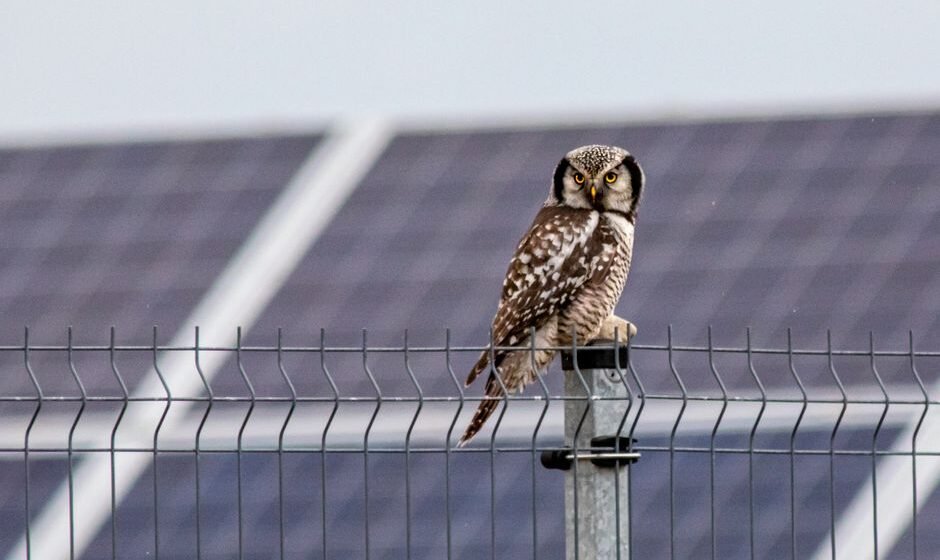
The new certification scheme helping solar farms become havens for wildlife
Solar farms are increasingly being recognized not just for their role in generating clean energy, but also for their potential to support biodiversity. A new certification initiative is now guiding solar developers and operators to transform these sites into thriving habitats for native plants and animals.
Table Of Content
Turning solar sites into wildlife-friendly spaces
Large-scale solar installations often occupy vast tracts of land, which can be managed in ways that benefit local ecosystems. The recently launched certification scheme provides a framework for solar farms to enhance their environmental value, encouraging practices such as planting wildflowers, establishing hedgerows, and creating ponds.
By following the scheme’s guidelines, solar farm operators can help reverse declines in pollinators, birds, and other wildlife. The program also offers third-party verification, giving assurance that certified sites are delivering tangible ecological improvements.
How the certification works
The certification process involves a detailed assessment of a solar farm’s land management practices. To qualify, sites must demonstrate a commitment to biodiversity through measures such as:
- Restoring native grasslands and wildflower meadows
- Maintaining hedges and tree lines for shelter and food sources
- Providing nesting boxes and habitats for birds and insects
- Minimizing pesticide and fertilizer use
- Monitoring wildlife populations and habitat quality
Sites that meet the criteria receive a certification mark, which can be used in communications and on-site signage to highlight their environmental credentials.
Benefits for nature and communities
Certified solar farms can become important refuges for wildlife, especially in agricultural landscapes where natural habitats are scarce. These sites support pollinators like bees and butterflies, which are essential for crop production, and provide safe havens for birds, small mammals, and amphibians.
Local communities also benefit from the scheme. Enhanced green spaces can offer educational opportunities, support mental wellbeing, and foster a sense of pride in local environmental stewardship.
Industry response and future prospects
The certification scheme has been welcomed by many in the renewable energy sector, who see it as a way to demonstrate environmental responsibility and build public trust. Several solar farm operators have already begun the process of certification, with more expected to follow as awareness grows.
As the demand for renewable energy increases, the scheme’s backers hope it will become a standard feature of solar development, ensuring that the transition to clean energy also delivers gains for nature.