
The farmer growing a future under Ghana’s trees
Reviving the land through agroforestry
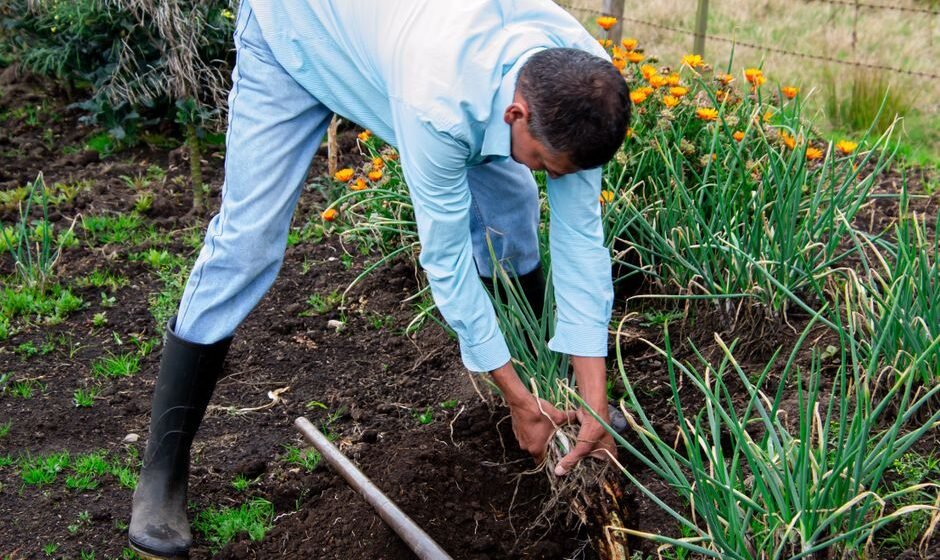
In the heart of Ghana, a new generation of farmers is transforming the landscape by merging agriculture with forest conservation. Among them is Kofi Mensah, who has embraced agroforestry—a practice that integrates trees with crops and livestock—to restore soil health and secure his family’s livelihood.
Table Of Content
Blending tradition with innovation
For decades, Ghana’s forests have faced threats from logging, mining, and expanding farmland. Many smallholders cleared trees to plant crops, leading to soil degradation and declining yields. Kofi, however, decided to take a different path. By planting cocoa alongside native trees, he’s not only boosting his harvest but also helping to rebuild the ecosystem.
How agroforestry works
- Soil enrichment: Trees fix nutrients in the soil, reducing the need for chemical fertilizers.
- Shade and moisture: The canopy protects crops from harsh sunlight and helps retain soil moisture.
- Biodiversity: Native trees attract birds and insects, supporting pollination and pest control.
Community impact and challenges
Kofi’s approach has inspired neighbors to adopt similar methods. “We see our land becoming fertile again,” he says. However, the transition isn’t without obstacles. Some farmers worry about reduced space for crops, while others lack access to seedlings or training.
Support and sustainable growth
Organizations are stepping in to provide education and resources. Workshops teach farmers how to select tree species and manage mixed plots. Financial incentives encourage the planting of indigenous trees, which are vital for wildlife and climate resilience.
Looking ahead
As more farmers join the movement, Ghana’s forests are slowly recovering. Kofi remains optimistic: “By working with nature, we’re building a better future for our children.” The success of agroforestry in Ghana offers a hopeful model for balancing food production with environmental stewardship.
Read more at this link.