

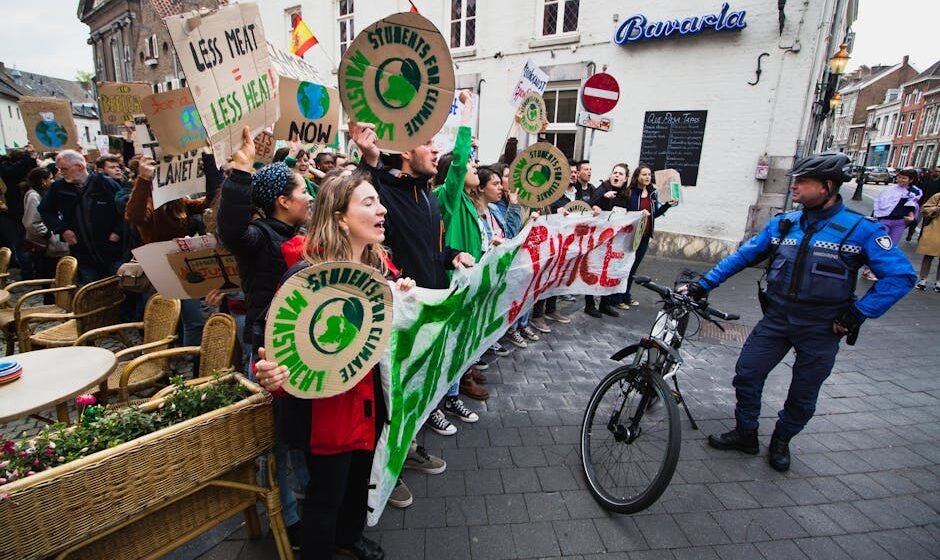
Meet the OAPs (old age protesters) getting arrested for climate activism
On a chilly morning in London, a group of older adults gather outside a government building, holding banners and chanting for urgent climate action. These are not your typical activists: many are retirees, grandparents, and even great-grandparents, united by a shared concern for the planet’s future. Increasingly, older individuals are stepping into the spotlight of environmental protests, risking arrest and public scrutiny to demand change.
Table Of Content
Why older adults are joining the climate movement
For many of these senior activists, the motivation is deeply personal. They speak of grandchildren and future generations, expressing a sense of responsibility to leave behind a livable world. Some cite decades of witnessing environmental decline, from worsening air quality to more frequent extreme weather events, as a driving force behind their activism.
“I want my grandchildren to inherit a planet where they can thrive,” says Margaret, a 72-year-old retired teacher. “We can’t just sit back and hope someone else will fix this.”
Taking action—and facing consequences
Older protesters are participating in a range of direct actions, from peaceful marches to blocking roads and staging sit-ins at government offices. Many have found themselves in handcuffs, willingly accepting the risk of arrest to draw attention to the climate crisis.
- In April, a group of pensioners chained themselves to railings outside a major bank, calling for an end to fossil fuel investments.
- Several retirees joined a sit-in at the Department for Energy Security, demanding stronger emissions targets.
- Some have even glued themselves to public monuments as a form of nonviolent protest.
Despite their age, these activists say they are prepared to face legal consequences. “If getting arrested is what it takes to make people listen, then so be it,” says John, a 68-year-old former engineer.
Support and criticism
The involvement of older adults in climate protests has sparked both admiration and debate. Supporters argue that their participation brings credibility and urgency to the movement, challenging stereotypes about who cares about environmental issues. Others, however, question the effectiveness of disruptive tactics, regardless of the protesters’ age.
Some critics suggest that such actions may alienate the public or distract from policy discussions. But the OAP activists remain undeterred. “We’ve written letters, signed petitions, and attended meetings for years,” says Margaret. “Now it’s time for bolder action.”
Growing numbers and new alliances
The ranks of older climate activists are expanding, with organizations specifically aimed at mobilizing seniors. Groups like Grandparents for Climate and Elderly Rebellion have emerged, offering training, legal support, and a sense of community for those willing to take a stand.
These groups often collaborate with younger activists, bridging generational divides and amplifying their message. “It’s inspiring to see people of all ages coming together for this cause,” says Emily, a 22-year-old university student who has protested alongside OAPs.
Looking ahead
As the climate crisis intensifies, the determination of older protesters shows no sign of waning. Many say they are motivated by a sense of urgency and a belief that it’s never too late to make a difference.
“We may be old, but we’re not giving up,” says John. “This is about protecting the future—for everyone.”
For these OAP activists, age is not a barrier but a badge of honor, fueling their commitment to a cause that transcends generations.