

Minnesota Tow Truck Driver Returns Abandoned Vehicles to Families After ICE Arrests
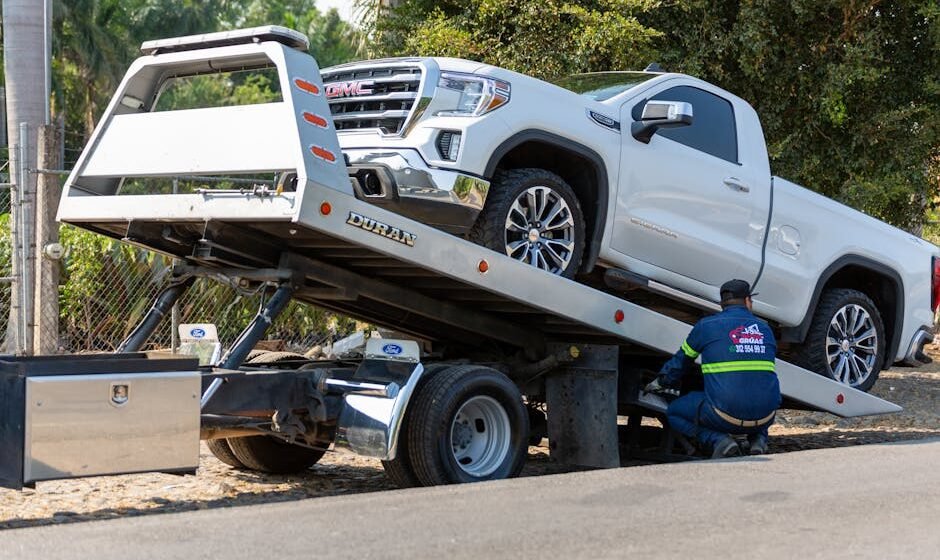
In Minnesota, a local tow truck driver has stepped in to help families affected by recent Immigration and Customs Enforcement (ICE) operations, ensuring that vehicles left behind during arrests are returned to their owners.
Table Of Content
Unexpected Consequences of ICE Raids
When ICE agents conducted a series of arrests in the area, many individuals were taken into custody while driving, leaving their cars abandoned on streets, in parking lots, or at workplaces. These sudden detentions left families scrambling to recover vehicles that were often essential for daily life.
The Role of a Community-Minded Tow Truck Operator
Recognizing the challenges faced by these families, a local tow truck driver began offering assistance. Instead of impounding the vehicles or charging high fees, the driver worked with families to locate and retrieve their cars, often waiving or reducing costs to ease their burden.
Helping Families in Difficult Times
For many affected families, losing access to a vehicle meant additional hardship, especially for those with children or jobs that required transportation. The tow truck driver’s efforts provided much-needed relief, allowing families to regain a sense of normalcy amid uncertainty.
- Vehicles were often left in public spaces or at workplaces following ICE arrests.
- Families faced difficulties locating and retrieving their cars without assistance.
- The tow truck driver coordinated with family members to return vehicles safely and affordably.
Community Response and Support
The driver’s actions have drawn appreciation from community members and advocacy groups, who highlight the importance of compassion during challenging times. By helping families recover their vehicles, the driver has played a vital role in supporting those impacted by immigration enforcement.
Continuing Efforts
As ICE operations continue in the region, the tow truck driver remains committed to assisting families in need. Community organizations have also begun coordinating with the driver to streamline the process and ensure that more families receive timely help.