

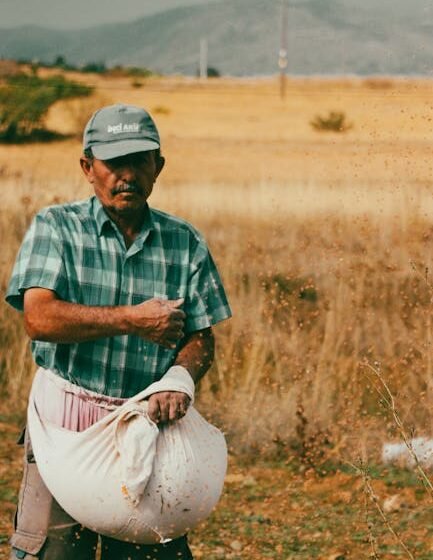
Regenerative agriculture sows success in Kenya
Farmers across Kenya are embracing regenerative agriculture, a shift that is transforming both their land and livelihoods. This innovative approach, which emphasizes soil health and sustainable practices, is gaining momentum as communities witness tangible benefits in crop yields and environmental resilience.
Table Of Content
Revitalizing the Soil
Regenerative agriculture focuses on restoring soil fertility through natural methods. By rotating crops, planting cover crops, and reducing chemical inputs, farmers are able to rebuild organic matter in the soil. This not only improves productivity but also enhances the land’s ability to retain water and withstand drought.
“Our harvests have improved, and the soil is healthier,” says Mary Wanjiku, a smallholder farmer in Nakuru County. “We no longer rely heavily on fertilizers, and our crops are more resilient to changing weather.”
Key Practices in Action
- Crop Rotation: Alternating different crops each season helps break pest cycles and maintains soil nutrients.
- Composting: Organic waste is converted into nutrient-rich compost, reducing the need for synthetic fertilizers.
- Agroforestry: Integrating trees with crops provides shade, prevents erosion, and supports biodiversity.
- Minimal Tillage: Reducing soil disturbance preserves soil structure and promotes beneficial microorganisms.
Boosting Yields and Income
Many Kenyan farmers report higher yields and increased income since adopting regenerative techniques. Improved soil conditions lead to healthier crops, which fetch better prices at local markets. Additionally, the reduced reliance on expensive chemical inputs allows farmers to save money and invest in their farms.
“We used to struggle with poor harvests and high costs,” explains Peter Mwangi, another farmer. “Now, our fields are more productive, and we have extra income to support our families.”
Environmental and Community Impact
Beyond individual farms, regenerative agriculture is making a positive impact on the wider environment. Healthier soils capture more carbon, helping to mitigate climate change. Increased biodiversity supports pollinators and natural pest control, reducing the need for pesticides.
Communities are also coming together to share knowledge and resources. Training sessions and farmer cooperatives are spreading regenerative methods, ensuring more people benefit from sustainable agriculture.
Looking Ahead
As regenerative agriculture continues to take root in Kenya, the future looks promising for both farmers and the environment. With ongoing support and education, more communities are expected to adopt these practices, paving the way for a more sustainable and prosperous agricultural sector.