

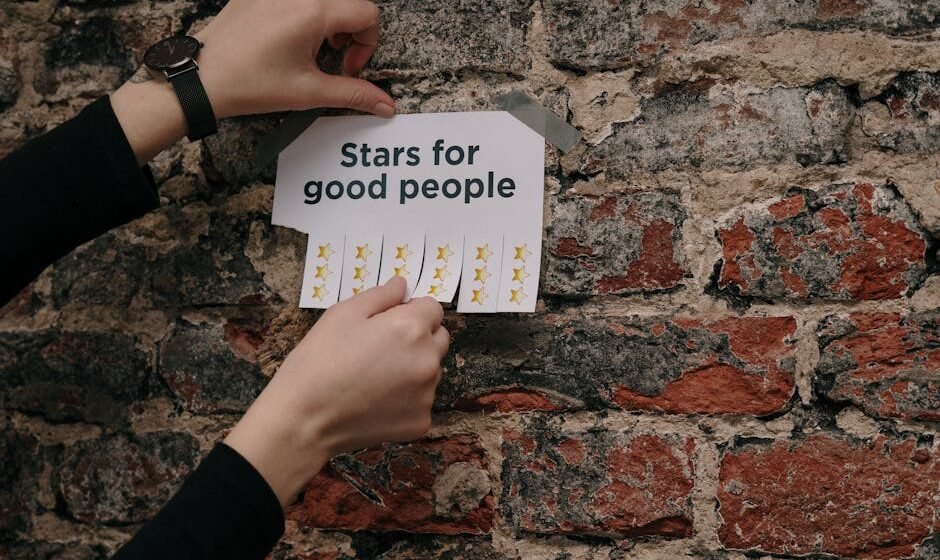
Show Your Good Deeds! No, Hide Them!
Should acts of kindness be displayed for all to see, or is it better to keep them private? This question has sparked debate for generations, with opinions divided on whether sharing good deeds encourages more positive actions or undermines their sincerity.
Table Of Content
The Case for Sharing Kindness
Supporters of publicizing good deeds argue that visible acts of generosity can inspire others to follow suit. When people witness acts of compassion, it can motivate them to act similarly, creating a ripple effect of goodwill. Social media, in particular, has amplified this phenomenon, allowing stories of kindness to reach a global audience within moments.
- Public recognition can encourage charitable behavior.
- Sharing positive stories can counterbalance negative news.
- Visible acts of kindness can foster a sense of community.
Some organizations even rely on public displays of giving to raise awareness and funds for important causes. By highlighting donors and volunteers, they hope to attract more support and demonstrate the impact of collective action.
The Argument for Keeping Good Deeds Private
On the other hand, many believe that true generosity should be practiced quietly, without seeking attention or praise. For these individuals, the value of a good deed lies in its intention, not in recognition. They argue that publicizing acts of kindness can shift the focus from helping others to enhancing one’s own image.
- Private giving is seen as more selfless.
- Seeking recognition may undermine the authenticity of the act.
- Some recipients may feel uncomfortable with public attention.
Religious and philosophical traditions often emphasize humility in giving. Many teachings encourage people to help others discreetly, suggesting that the most meaningful acts are those done without expectation of reward.
Finding a Balance
There is no one-size-fits-all answer to the question of whether to share or conceal good deeds. Some situations may call for public acknowledgment, especially when raising awareness or encouraging others is important. In other cases, privacy may be more appropriate, respecting the dignity of both the giver and the recipient.
Ultimately, the decision comes down to personal values and the specific context. Whether kindness is shared openly or practiced in silence, its positive impact remains significant.
For more perspectives on this topic, visit this article.