

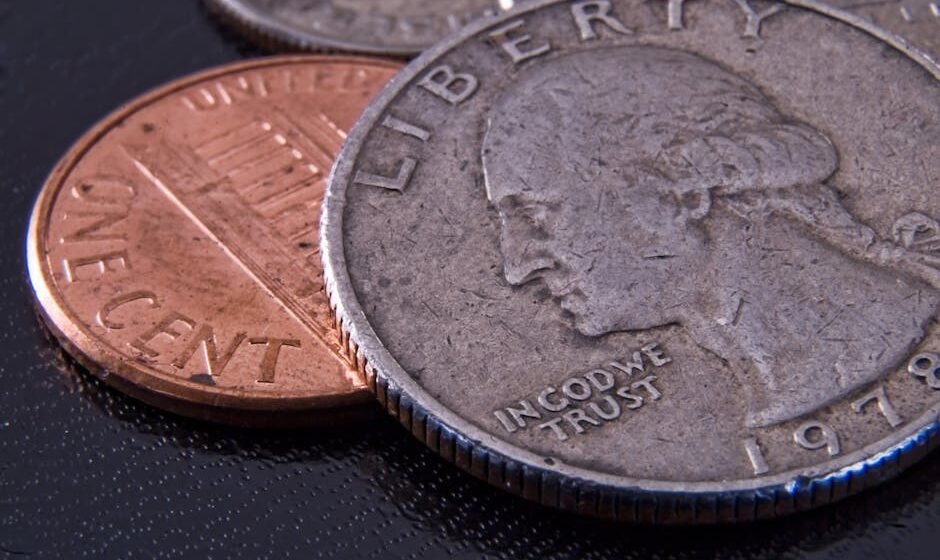
Someone Used This Coin as Bus Fare and Worker Discovers it was Minted by the Phoenicians 2,000 Years Ago
In a remarkable turn of events, a routine day at a bus company led to the discovery of a coin dating back two millennia, originally minted by the Phoenicians. The ancient artifact was inadvertently used as payment for a bus ride, only to be identified by a vigilant employee during a standard cash count.
Table Of Content
Unexpected Find Among Spare Change
The incident took place when a staff member at a local bus company was sorting through coins collected from passengers. Amid the usual assortment of modern currency, one coin stood out due to its unusual design and significant wear. Curious about its origins, the employee decided to investigate further.
Expert Assessment Reveals Historical Treasure
After consulting with numismatics experts, it was confirmed that the coin originated from the Phoenician civilization, which thrived in the Mediterranean region over 2,000 years ago. The artifact is believed to have been produced in what is now Lebanon, a region renowned for its ancient maritime culture and trade networks.
Details of the Ancient Coin
- Origin: Phoenician civilization, approximately 2,000 years old
- Material: Bronze
- Design: Features Phoenician symbols and inscriptions
- Condition: Worn but identifiable
Experts have noted that coins of this type rarely appear in everyday circulation, making this discovery particularly extraordinary. The coin’s journey from ancient times to a modern bus fare box remains a mystery, sparking intrigue among historians and collectors alike.
What Happens Next?
The bus company has since handed the coin over to local authorities, who are working with historians to determine its full historical significance. There are discussions about displaying the artifact in a museum to allow the public to appreciate its unique story and cultural value.
Public Fascination Grows
News of the find has captured the imagination of the community, with many expressing amazement that such a rare piece of history could resurface in such an ordinary setting. The incident serves as a reminder of the unexpected ways in which the past can intersect with the present.
For more details, visit the original report at this link.