
Breath of a Whale Captured by Drone Allows Full Genome Sequencing Without Intrusion
Scientists have successfully sequenced the entire genome of a whale using only samples collected from its exhaled breath, gathered by a drone. This innovative approach eliminates the need for invasive techniques, offering a new, non-intrusive way to study these marine giants.
Table Of Content
Revolutionizing Whale Research
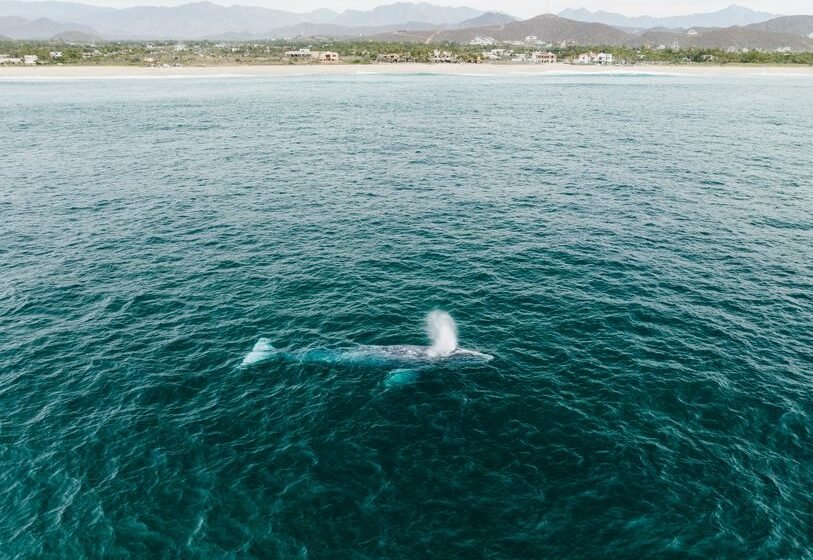
Traditionally, obtaining genetic material from whales required collecting tissue samples, often through dart biopsies. While effective, these methods can cause stress or harm to the animals. The new technique employs drones to hover above surfacing whales and collect the misty spray—known as “blow”—that the animals exhale.
This blow contains not only water vapor but also cells and DNA from the whale’s respiratory tract. By analyzing these samples, researchers can access genetic information without direct contact.
Breakthrough in Genome Sequencing
In this recent study, a team of researchers used a drone to collect blow samples from a blue whale. The DNA extracted from the exhaled breath was sufficient to sequence the whale’s entire genome. This marks the first time a complete genome has been assembled from such a non-invasive sample.
According to the scientists, the quality and quantity of DNA retrieved were comparable to those acquired through traditional biopsy methods. This opens the door to more ethical and widespread genetic studies of whales and potentially other marine mammals.
Implications for Conservation and Study
Having access to full genomic data is crucial for understanding whale populations, health, and genetic diversity. This information can inform conservation strategies and help monitor the effects of environmental changes or human activity on whale species.
- Enables large-scale genetic monitoring without harming animals
- Reduces stress and risk associated with traditional sampling
- Facilitates research on rare or endangered species
Future Applications
The success of this method suggests it could be adapted for use with other large marine animals, such as dolphins or orcas. As drone technology and DNA sequencing continue to advance, researchers anticipate even more refined and accessible ways to study wildlife without intrusion.
For more details, visit the original report at this link.