

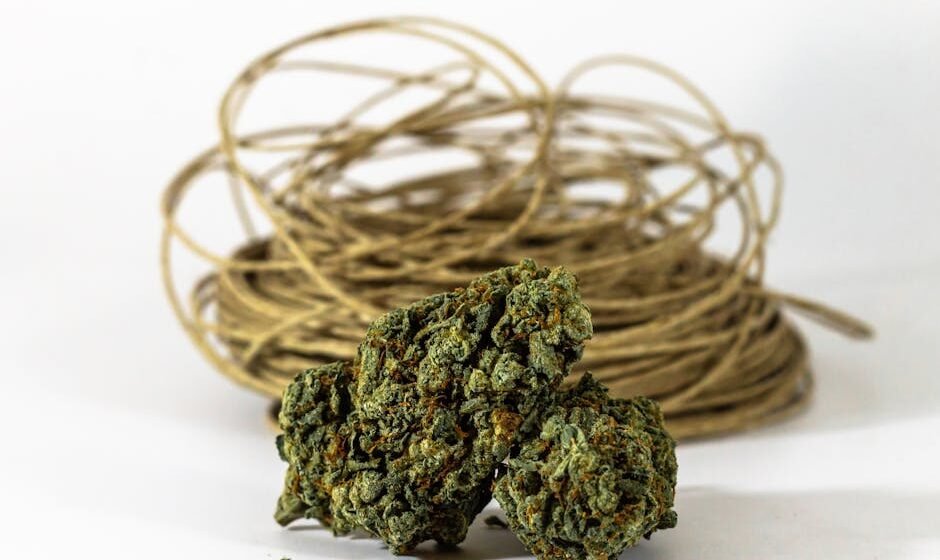
Scientists Unveil Hemp Alternative to Plastic That Can Withstand Boiling Water and Stretch to 1,600% its Size
A team of scientists has introduced a new material derived from hemp that could serve as a sustainable replacement for traditional plastics. This innovative substance not only withstands exposure to boiling water but also stretches to an impressive 1,600% of its original length without breaking.
Table Of Content
Breakthrough in Bioplastics
The newly developed material is made using cellulose nanofibers extracted from hemp plants. These fibers are processed and combined to create a flexible, durable film that mimics the properties of conventional plastics while offering significant environmental benefits.
Unlike many existing bioplastics, which often struggle with heat resistance and flexibility, this hemp-based alternative maintains its structure even when subjected to high temperatures. Tests have shown that the material can be submerged in boiling water without dissolving or losing its integrity.
Exceptional Stretch and Strength
One of the standout features of this hemp-derived plastic substitute is its remarkable elasticity. The material can be stretched up to 16 times its original length, or 1,600%, before breaking. This level of stretchability far exceeds that of most traditional plastics, making it suitable for a wide range of applications.
- Resistant to boiling water
- Can stretch to 1,600% of its original size
- Made from renewable hemp fibers
- Biodegradable and environmentally friendly
Potential Environmental Impact
With plastic pollution posing a major threat to ecosystems worldwide, the development of biodegradable alternatives is crucial. The hemp-based material offers a promising solution, as it is derived from a renewable resource and breaks down naturally over time, reducing the burden on landfills and oceans.
Researchers believe that this new material could be used in a variety of products, from packaging and bags to medical devices and textiles. Its combination of strength, flexibility, and heat resistance opens up possibilities for replacing petroleum-based plastics in many everyday items.
Next Steps for Commercialization
The research team is now working to scale up production and explore commercial partnerships. They are also investigating ways to further enhance the material’s properties and reduce manufacturing costs, with the goal of making it a viable option for widespread use.