

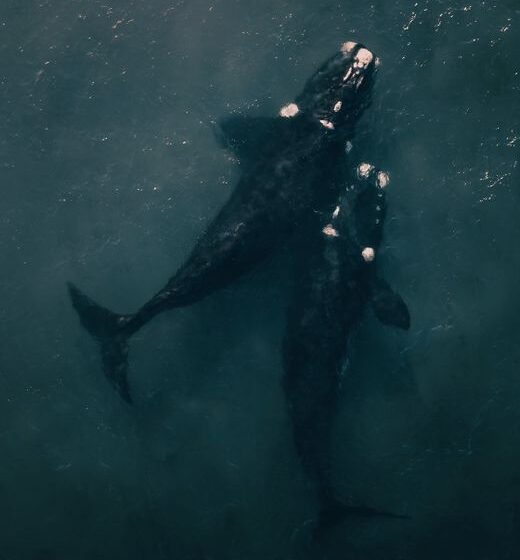
Increased Sightings of the Two Largest Whale Species Decimated By Hunting Provides New Hope for Survival
Recent increases in sightings of blue whales and fin whales, the planet’s two largest whale species, are sparking optimism among marine biologists and conservationists. Both species suffered dramatic population declines due to extensive commercial whaling in the 19th and 20th centuries, but new observations suggest a possible recovery is underway.
Table Of Content
Encouraging Trends in Whale Populations
Researchers and whale watchers have reported more frequent encounters with blue and fin whales in several ocean regions. These sightings are occurring in areas where the animals were once rarely seen, indicating that their numbers may be rebounding after decades of protection.
“We’re seeing more blue and fin whales than we have in generations,” noted a marine scientist involved in recent fieldwork. “It’s a positive sign for these giants of the sea.”
Historical Decline and Conservation Efforts
Both blue whales and fin whales were heavily targeted during the peak of commercial whaling, leading to catastrophic population losses. Blue whales, the largest animals ever known to exist, were reduced to a small fraction of their original numbers. Fin whales faced a similar fate, with their populations plummeting due to relentless hunting.
International bans on commercial whaling, along with ongoing conservation measures, have played a crucial role in giving these species a chance to recover. The implementation of protected marine areas and stricter regulations on shipping and fishing have also contributed to their improved outlook.
Why These Sightings Matter
The increased presence of blue and fin whales is significant for several reasons:
- Ecological Impact: As top predators, these whales help maintain healthy marine ecosystems by influencing the populations of their prey.
- Indicator of Ocean Health: Their resurgence may reflect broader improvements in ocean conditions, such as better prey availability and cleaner waters.
- Conservation Success: The return of these species demonstrates the effectiveness of international conservation agreements and collaborative research efforts.
Continuing Challenges
Despite these hopeful signs, blue and fin whales still face ongoing threats. Collisions with ships, entanglement in fishing gear, noise pollution, and climate change all pose risks to their continued recovery. Conservationists emphasize the importance of maintaining and strengthening protections to ensure these species can thrive in the long term.
Looking Ahead
Marine experts remain cautiously optimistic about the future of blue and fin whales. Continued monitoring, research, and international cooperation will be essential to support their populations and safeguard their habitats.
For more on this story, visit this link.