

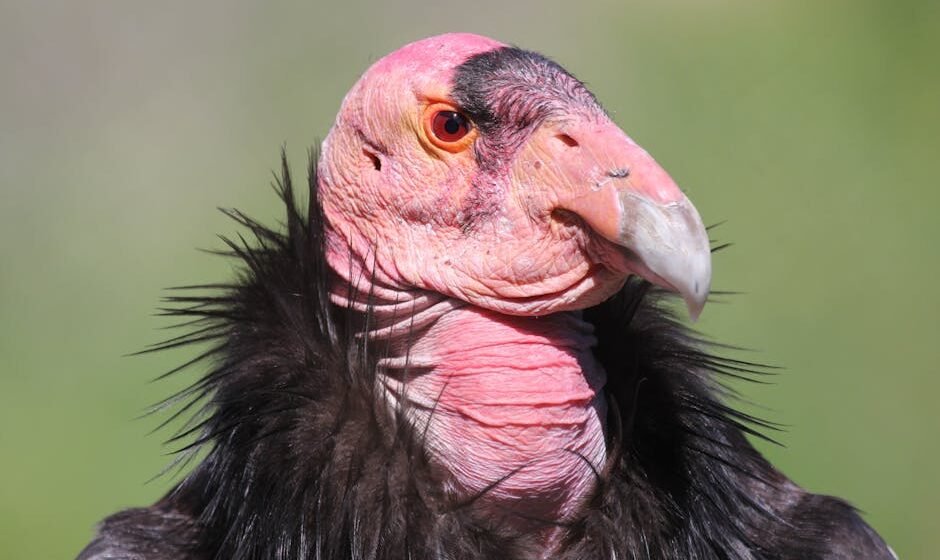
Endangered California Condor Flies into Oregon for the First Time in 122 Years
For the first time since 1902, a California condor has been spotted flying in Oregon, marking a significant milestone for the recovery of this critically endangered species. The sighting took place earlier this month, signaling hope for the future of North America’s largest land bird.
Table Of Content
Historic Return to Oregon Skies
Wildlife experts confirmed that a California condor, identified by its distinctive wing tags, was observed soaring above the Rogue River-Siskiyou National Forest. This appearance is the first documented instance of the species in Oregon in 122 years, following decades of conservation efforts aimed at restoring condor populations in the wild.
Conservation Efforts Lead to Milestone
The California condor population once dwindled to just 27 individuals in the 1980s, prompting urgent action from conservationists. Through captive breeding programs and gradual reintroduction into their native habitats, the population has slowly increased. The recent sighting in Oregon is a direct result of these ongoing efforts, particularly the release of condors in Northern California by the Yurok Tribe and partner organizations.
Key Steps in the Recovery Program
- Captive breeding and rearing of condor chicks
- Release of young condors into protected areas
- Continuous monitoring and tracking of released birds
- Collaboration with local tribes and conservation groups
Significance for Biodiversity
The return of the California condor to Oregon is seen as a positive sign for the region’s biodiversity. As scavengers, condors play a vital role in the ecosystem by helping to clean up carrion and prevent the spread of disease. Their presence indicates a healthier environment and reflects the success of collaborative conservation initiatives.
Looking Ahead
Wildlife officials and conservationists are optimistic that more condors will follow, establishing a sustainable population in Oregon. Continued support for habitat protection, monitoring, and public education will be essential to ensure the long-term survival of the species.