

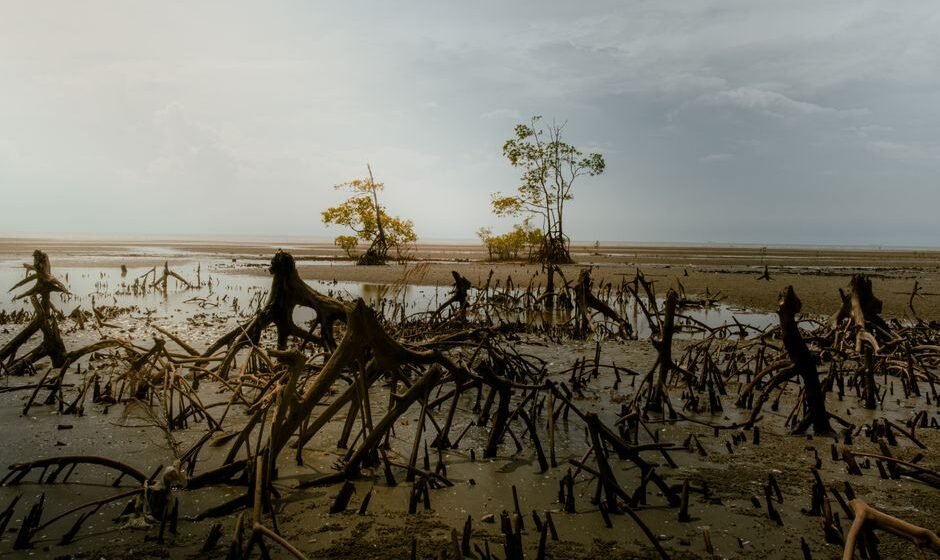
Mangrove Loss Worldwide Is Now Reversing—with More, Denser Forests Than 20 Years Ago
New research indicates that global mangrove forests are not only rebounding but have become more extensive and denser than they were twenty years ago. This shift marks a significant turnaround from previous decades, when widespread deforestation and coastal development led to alarming losses of these vital ecosystems.
Table Of Content
Signs of Recovery and Growth
Scientists have observed that mangrove forests, which thrive in tropical and subtropical coastal regions, are now expanding in both area and density. This positive trend is attributed to a combination of natural regrowth and targeted conservation initiatives. The latest satellite data reveals that, compared to the early 2000s, mangrove coverage has increased, with many regions showing thicker, healthier stands of trees.
Why Mangroves Matter
Mangroves play a crucial role in coastal protection, carbon storage, and supporting biodiversity. Their complex root systems stabilize shorelines, reduce erosion, and provide a buffer against storm surges. Additionally, mangroves act as nurseries for numerous fish species and shelter a wide variety of wildlife, making their recovery particularly significant for both environmental and economic reasons.
Key Benefits of Mangrove Restoration
- Enhanced carbon sequestration, helping mitigate climate change
- Improved coastal resilience against extreme weather events
- Increased habitat for marine and terrestrial species
- Support for local fisheries and livelihoods
Drivers Behind the Turnaround
The reversal in mangrove loss is credited to a mix of stricter protection policies, reforestation efforts, and greater awareness of their ecological value. Many countries have implemented regulations to curb deforestation and have invested in planting new mangrove saplings. Community-led restoration projects have also played a role, with local groups working to rehabilitate degraded areas and monitor forest health.
Regional Highlights
While the global picture is encouraging, the pace of recovery varies by region. Southeast Asia, home to the largest mangrove forests, has seen significant gains due to large-scale restoration campaigns. In contrast, some areas in Africa and the Americas continue to face challenges from urban expansion and aquaculture, though there are promising signs of improvement.
Looking Ahead
Experts caution that continued vigilance is necessary to maintain and build upon these gains. Ongoing threats such as climate change, rising sea levels, and illegal logging could still undermine progress. However, the current trajectory offers hope that with sustained effort, mangrove forests can continue to thrive and provide essential benefits for generations to come.