

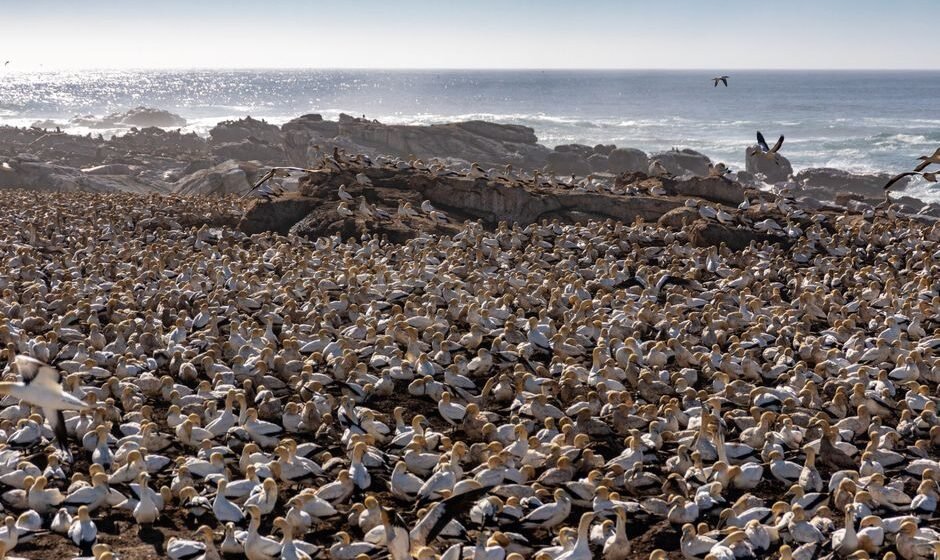
Family That Owned This ‘Wildlife Wonder of the World’ for 300 years Sells Bass Rock to Protect 100,000 Gannet Seabirds
After more than three centuries of private ownership, the Dalrymple family has transferred Bass Rock, a renowned seabird sanctuary off Scotland’s east coast, to a conservation trust. This move aims to ensure the long-term protection of the island’s globally significant gannet colony, which numbers around 100,000 birds.
Table Of Content
Historic Change for a Natural Landmark
Bass Rock, located in the Firth of Forth, has been under the stewardship of the same family since 1706. The island is celebrated for its dramatic cliffs and as one of the world’s largest gannet breeding sites, attracting both scientists and wildlife enthusiasts from around the globe. The family’s decision to sell the island marks a significant shift in its history, prioritizing conservation over private ownership.
Conservation at the Forefront
The Scottish Seabird Centre, a charity dedicated to the protection of marine wildlife, has acquired Bass Rock. The organization plans to enhance conservation efforts, monitor seabird populations, and support vital research on the island. The trust’s stewardship is expected to provide stability and resources for the continued protection of the gannets and other seabird species that call Bass Rock home.
Key Conservation Goals
- Safeguard the habitat of more than 100,000 northern gannets
- Support ongoing scientific research and monitoring
- Promote environmental education and responsible tourism
A Haven for Wildlife
Bass Rock is internationally recognized as a “wildlife wonder of the world.” Its steep cliffs and remote location create an ideal environment for seabirds, particularly the northern gannet, which nests in dense colonies. The island also supports other species, including puffins, guillemots, and razorbills, making it a vital site for biodiversity in the region.
Looking Ahead
The transfer of Bass Rock to the Scottish Seabird Centre is seen as a proactive step to address environmental challenges, such as climate change and disease outbreaks, that threaten seabird populations. The trust’s management will focus on preserving the island’s unique ecosystem for future generations while allowing for continued scientific study and public appreciation.
Learn More
For additional details, visit the original report at this link.