

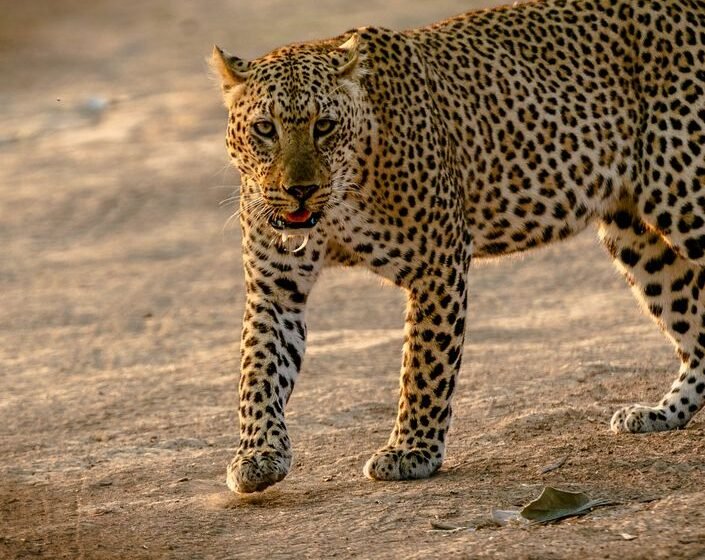
Leopards recover in Zambia as communities swap skins for synthetics
Leopards in Zambia are experiencing a resurgence, thanks in large part to a unique partnership with local communities who are choosing artificial skins over real animal pelts for traditional ceremonies. This shift is helping to protect the endangered big cats and foster coexistence between people and wildlife.
Table Of Content
Traditional Ceremonies and Leopard Skins
In Zambia, leopard skins have long held cultural significance, especially among the Nyau secret society, whose members don the distinctive pelts during vibrant dances and rituals. The demand for authentic leopard skins has historically contributed to illegal hunting and a decline in the species’ numbers.
Synthetic Alternatives Gain Popularity
To address this issue, conservation organizations have collaborated with local leaders to introduce high-quality synthetic leopard skins. These replicas closely mimic the appearance and texture of real pelts, allowing traditional practices to continue without endangering wildlife.
- Artificial skins are distributed to communities at no cost.
- They are crafted to withstand the rigors of ceremonial use.
- The initiative has received widespread support from village elders and performers.
Positive Impact on Leopard Conservation
Since the introduction of synthetic skins, wildlife experts have observed a notable decline in leopard poaching in the region. Camera trap surveys and field reports indicate that leopard populations are stabilizing and, in some areas, increasing.
Community members report pride in preserving their traditions while also protecting an iconic species. “We can celebrate our heritage and keep leopards safe for future generations,” said one village leader.
Ongoing Challenges and Future Prospects
While the program has achieved significant success, challenges remain. Some individuals still seek real skins for status or personal preference, and illegal hunting persists in certain areas. Conservationists continue to work with authorities to enforce wildlife protection laws and expand educational outreach.
Looking ahead, organizers hope to replicate the initiative in other regions where traditional ceremonies threaten vulnerable species. The Zambian experience demonstrates that cultural practices and conservation goals can align, offering hope for both people and wildlife.
For more details, visit the original report at this link.