

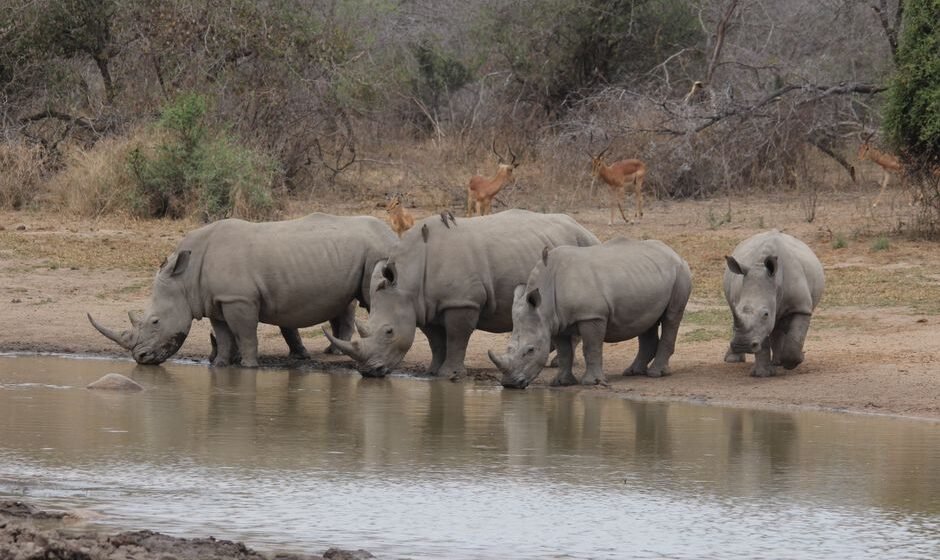
Herculean Effort to Restore Mozambique’s Rhino Population Succeeds with 61 Animals Moved There
In a significant wildlife conservation achievement, Mozambique has welcomed 61 rhinos, relocated from South Africa in an ambitious project aimed at reviving the species in the region. This large-scale translocation marks a pivotal moment in efforts to restore rhino populations that had previously vanished from the country.
Table Of Content
Rhinos Return to Zinave National Park
The rhinos were moved to Zinave National Park, a protected area in central Mozambique. This transfer included both black and white rhinos, species that had been absent from the park for decades due to poaching and habitat loss. The operation was carefully coordinated to ensure the animals’ safety and well-being throughout the journey.
Complex Logistics and Careful Planning
Relocating such a large number of rhinos required meticulous planning and cooperation between conservation groups, park authorities, and local communities. The animals were sedated, loaded onto specialized vehicles, and transported over long distances under strict supervision. Upon arrival, they were released into secure enclosures to acclimate to their new environment before being introduced to the wider park.
Conservation Milestone
This initiative is considered a major milestone for Mozambique’s wildlife recovery. The reintroduction of rhinos is expected to boost biodiversity and attract eco-tourism, providing economic benefits to surrounding communities. Conservationists hope that the presence of these iconic animals will also strengthen anti-poaching measures and inspire further habitat protection efforts.
Long-Term Vision for Wildlife Protection
- Enhancing the genetic diversity of rhino populations
- Promoting sustainable tourism in the region
- Engaging local communities in conservation activities
- Establishing robust monitoring and anti-poaching patrols
The project’s success is seen as a testament to international collaboration and the dedication of those working to preserve endangered species. As the rhinos settle into their new home, ongoing monitoring will ensure their health and adaptation, paving the way for future conservation successes in Mozambique.
For more details, visit the original report at this link.