
Solar railways and stork villages: Positive environmental stories from 2026
Innovative Solar-Powered Railways Set New Standards
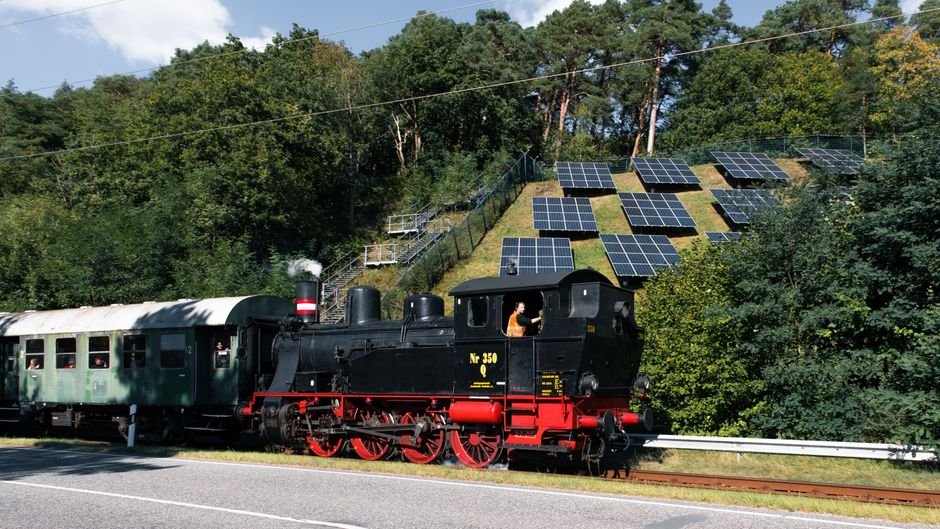
In 2026, the transportation sector witnessed a significant leap forward with the introduction of solar-powered railway lines. These new systems, designed to harness sunlight through panels installed along tracks and atop train carriages, are dramatically reducing reliance on fossil fuels. The initiative has not only cut carbon emissions but also lowered operational costs for rail operators, setting a precedent for sustainable travel worldwide.
Table Of Content
Stork Villages Thrive as Conservation Efforts Expand
Across Europe, dedicated “stork villages” have become a symbol of successful wildlife conservation. These communities, which provide safe nesting grounds and abundant food sources, have seen a notable increase in stork populations. Local residents and environmental groups have collaborated to maintain these habitats, ensuring the birds’ annual migrations continue uninterrupted. The resurgence of storks is celebrated as a testament to community-driven environmental stewardship.
Key Environmental Successes of the Year
- Solar railways: Major rail networks have integrated solar technology, significantly reducing greenhouse gas emissions.
- Stork population recovery: Targeted conservation zones have led to record numbers of storks returning to their traditional breeding grounds.
- Community engagement: Local initiatives have played a crucial role in both technological and ecological advancements.
Looking Ahead: Sustainable Progress Continues
The positive trends observed in 2026 highlight the power of innovation and community action in addressing environmental challenges. With solar-powered transportation gaining momentum and wildlife habitats flourishing, the outlook for sustainable living grows brighter each year. These achievements offer hope and inspiration for continued progress in the years to come.
For more on these stories, visit this link.