

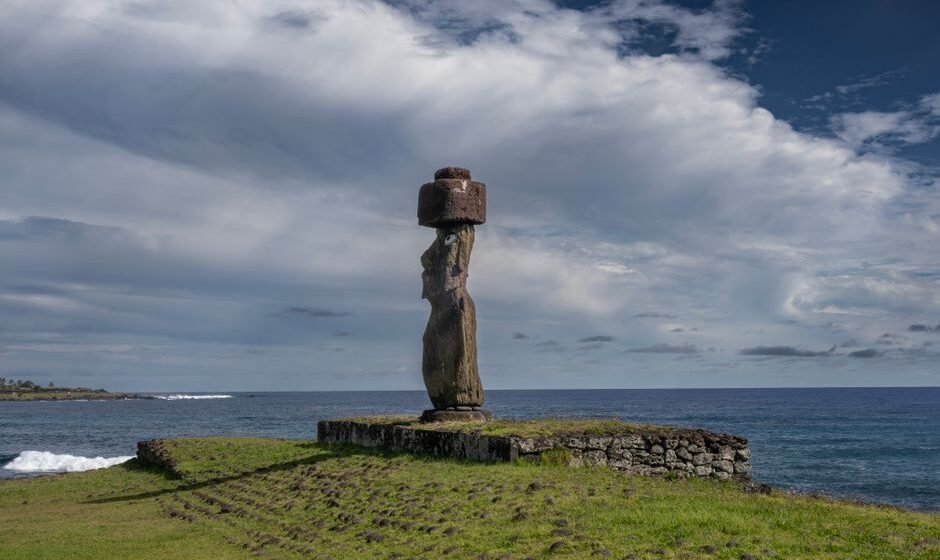
270,000 Square Miles Around Easter Island to Become Indigenous-Managed Ocean Reserve
A vast expanse of ocean surrounding Easter Island, covering approximately 270,000 square miles, is set to become a marine reserve managed by the local Indigenous population. This initiative marks a significant step in ocean conservation and the empowerment of Indigenous stewardship over ancestral waters.
Table Of Content
Historic Vote by Rapa Nui Community
Residents of Easter Island, known locally as Rapa Nui, recently participated in a referendum to determine the future of their surrounding waters. The majority voted in favor of establishing a protected marine area, which will be managed by the Rapa Nui people themselves. This decision highlights the community’s commitment to preserving their marine environment and traditional fishing practices.
Scope and Significance of the Reserve
The newly designated reserve will encompass an area larger than the state of Texas, making it one of the world’s largest marine protected zones. The reserve aims to safeguard a rich diversity of marine life, including species unique to the region. By restricting industrial fishing and other extractive activities, the reserve is expected to help restore fish populations and protect fragile ecosystems.
Key Features of the Marine Reserve
- Spans nearly 270,000 square miles of the South Pacific Ocean
- Managed by the Indigenous Rapa Nui community
- Prohibits large-scale commercial fishing and mining
- Allows traditional, small-scale fishing by local residents
Empowering Indigenous Management
The management plan for the reserve places decision-making authority in the hands of the Rapa Nui people. This approach recognizes the community’s deep connection to the ocean and centuries-old knowledge of sustainable resource use. Local leaders will collaborate with government agencies to enforce regulations and monitor the health of the marine environment.
Global Impact and Conservation Efforts
This initiative adds momentum to global efforts to protect ocean habitats and address overfishing. Conservationists view the Rapa Nui reserve as a model for Indigenous-led marine protection, demonstrating how local communities can play a central role in preserving biodiversity and cultural heritage.
Looking Ahead
As the reserve takes shape, the Rapa Nui community will work to balance conservation goals with the needs of local fishers. Ongoing monitoring and adaptive management will be essential to ensure the long-term success of the protected area. The creation of this reserve stands as a testament to the power of community action in safeguarding the world’s oceans.
Read more at this link.