

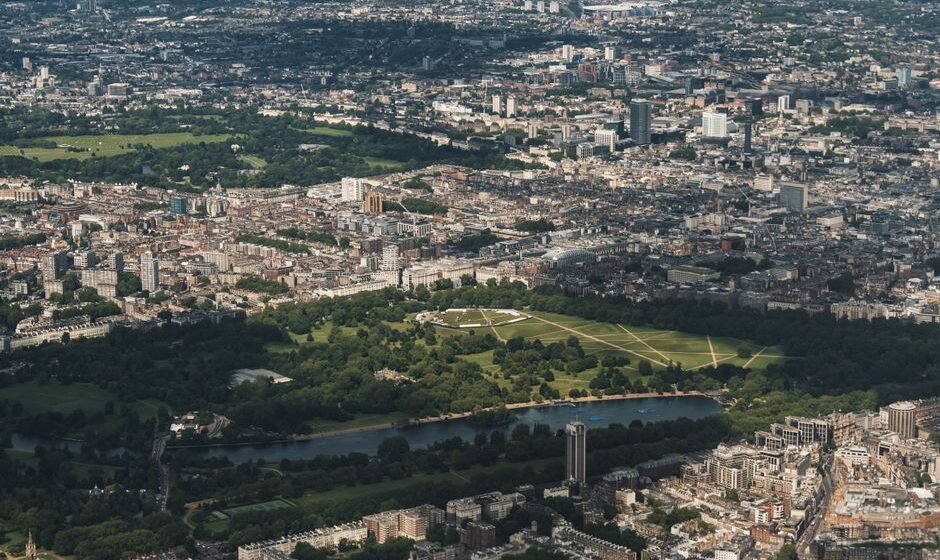
Putting a ring on it: the plan to green London’s beloved edges
London’s outer neighborhoods, long appreciated for their distinctive character and leafy spaces, are at the heart of a new initiative aimed at enhancing the city’s environmental resilience. Urban planners and local advocates are collaborating on an ambitious project to create a continuous green corridor encircling the capital, promising both ecological and social benefits for generations to come.
Table Of Content
A Green Circle for the Capital
The proposal, often referred to as the “Green Ring,” seeks to connect existing parks, woodlands, and open spaces around London’s perimeter. By linking these areas, the project aims to establish a seamless natural belt that not only supports wildlife but also offers residents and visitors new opportunities for recreation and relaxation.
Supporters of the initiative believe that such a green corridor will help address several urban challenges, including air pollution, loss of biodiversity, and the urban heat island effect. The ring is envisioned as a living infrastructure, weaving together the city’s diverse landscapes and communities.
Benefits for People and Nature
- Wildlife Habitat: The connected green spaces will serve as vital corridors for birds, insects, and mammals, enabling species to move freely and thrive.
- Cleaner Air: Expanding tree cover and vegetation will help filter pollutants, improving air quality across the city’s fringes.
- Community Wellbeing: Accessible green spaces encourage physical activity, social interaction, and mental health, making neighborhoods more livable.
- Climate Resilience: The ring will help absorb rainwater, reducing flood risks and cooling the city during heatwaves.
Challenges and Opportunities
While the vision is bold, bringing it to life involves navigating a complex landscape of land ownership, funding, and local interests. Some areas along the proposed route are already well-maintained, while others require significant restoration or negotiation with private landholders.
Advocates are working closely with councils, environmental groups, and residents to ensure the project reflects the needs and aspirations of those who live near the green ring. Funding is being sought from a mix of public and private sources, with the hope that the project’s long-term benefits will attract sustained investment.
Looking Ahead
The Green Ring initiative is still in its early stages, but momentum is building. Pilot projects and community consultations are underway, with planners mapping out routes and identifying priority areas for improvement. If successful, the ring could serve as a model for other cities seeking to balance growth with environmental stewardship.