
They Dumped 20,000 Fish Into a River and Called It Kindness
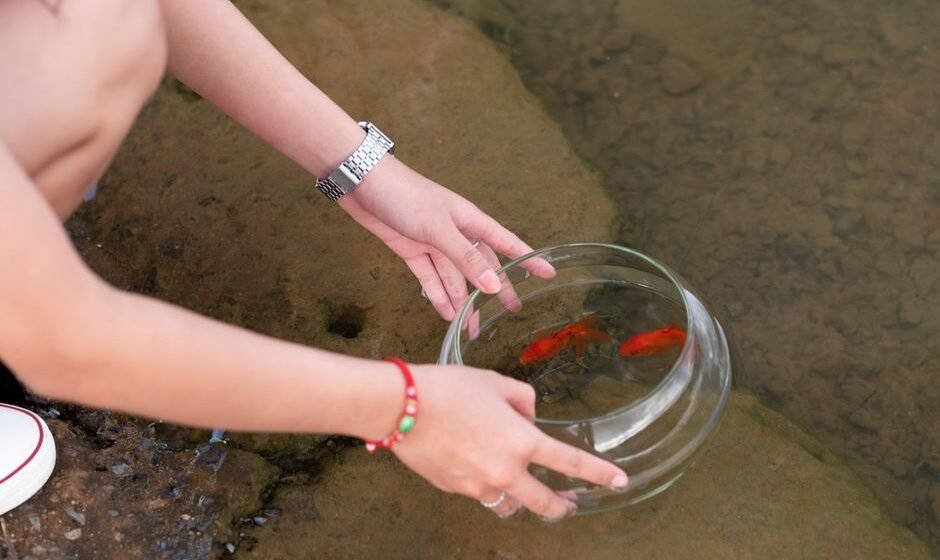
On a bright morning along the riverbank, a group of volunteers gathered, buckets in hand, to pour 20,000 young fish into the flowing water. The event, organized as an act of goodwill, was celebrated as a gesture of environmental stewardship and mercy. Yet, beneath the surface, questions linger about whether such mass releases truly benefit nature—or if they might do more harm than good.
Table Of Content
Intentions of Restoration
Fish releases, also known as “stocking,” are often promoted as a way to replenish dwindling populations, support local fisheries, or honor cultural and religious traditions. The volunteers at this event expressed hope that their actions would help restore balance to the river’s ecosystem and offer a lifeline to species under pressure from pollution, habitat loss, and overfishing.
“We want to give back to the river and ensure future generations can enjoy its beauty and bounty,” said one participant, echoing the sentiments of many involved in similar efforts worldwide.
Unintended Consequences
Despite the good intentions, scientists and conservationists have raised concerns about the ecological impact of releasing large numbers of captive-bred fish into wild environments. Studies have shown that such introductions can disrupt local ecosystems in several ways:
- Competition: Hatchery fish may compete with wild populations for limited food and habitat.
- Disease: Fish bred in captivity can carry pathogens that threaten native species.
- Genetic Risks: Interbreeding between stocked and wild fish can reduce genetic diversity and resilience.
“It’s not always a simple act of kindness,” noted a biologist familiar with river ecosystems. “Sometimes, these releases can undermine the very populations they aim to help.”
Balancing Tradition and Science
Fish stocking is deeply rooted in tradition, with some communities viewing it as a spiritual or cultural duty. For others, it’s a practical measure to support recreational fishing or local economies. However, experts recommend a more cautious approach, emphasizing the importance of:
- Assessing the health and needs of local ecosystems before any release
- Using native species and avoiding genetic mixing
- Monitoring outcomes to ensure positive impacts
Some organizations have shifted focus from stocking to restoring habitats, improving water quality, and removing barriers to fish migration—strategies that often yield more sustainable results.
Looking Ahead
As the last of the fish swam into the current, the volunteers watched with satisfaction, hopeful their actions would make a difference. The debate over fish releases continues, reflecting the complex relationship between human compassion and ecological responsibility. For now, the river flows on—carrying with it both the promise and the uncertainty of well-intentioned intervention.
Read more at this link.