

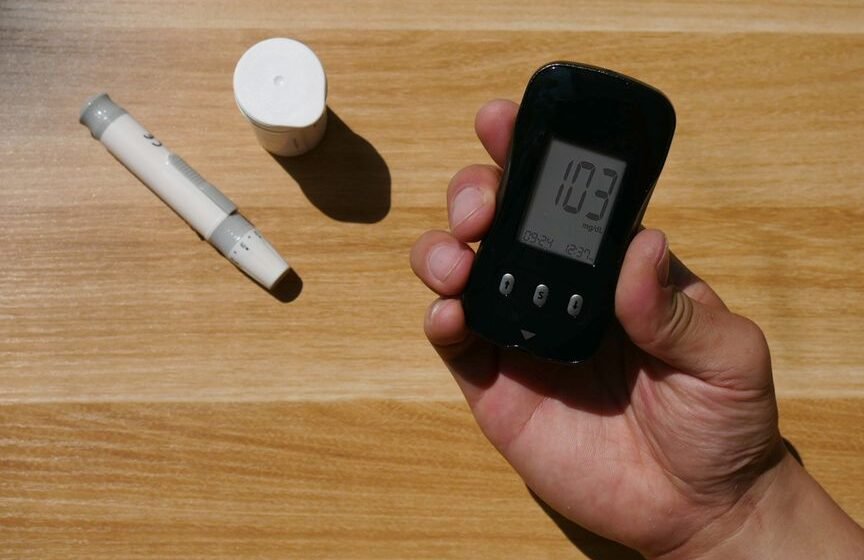
Montana diabetes advocates hopeful as transplant trial shows results
Diabetes advocates in Montana are expressing optimism following the release of encouraging results from a recent clinical trial involving a new transplant procedure. The study, which focused on patients with type 1 diabetes, has sparked hope for those seeking improved treatment options and a better quality of life.
Table Of Content
Breakthrough in Islet Cell Transplants
The trial centered on islet cell transplants, a process where insulin-producing cells are transferred into individuals whose bodies can no longer produce insulin naturally. Researchers reported that several participants in the study were able to reduce or even eliminate their reliance on insulin injections after receiving the transplants.
Dr. Emily Carter, an endocrinologist involved in diabetes care, explained, “This advancement could be life-changing for many people who struggle to manage their blood sugar levels despite current therapies.”
Impact on Montana Residents
Montana, with its rural landscape and limited access to specialized medical care, faces unique challenges in diabetes management. Local advocates believe that the success of the transplant trial could eventually lead to more accessible and effective treatments for residents across the state.
“For many Montanans, traveling long distances for advanced care is a significant barrier,” said John Miller, a diabetes support group leader. “Innovations like this give us hope that better solutions are on the horizon.”
Key Findings from the Trial
- Participants experienced improved blood sugar control.
- Some individuals were able to stop using insulin entirely.
- No serious adverse effects were reported during the trial period.
Next Steps and Ongoing Research
While the results are promising, researchers caution that further studies are needed to confirm the long-term safety and effectiveness of islet cell transplants. The team is planning larger trials and exploring ways to make the procedure more widely available.
Advocates in Montana are hopeful that continued progress will lead to expanded access and new hope for those living with diabetes. As research advances, the diabetes community remains optimistic about the potential for transformative change.