

Over 100 Cave Bear Skeletons Found in ‘Sensational’ Discovery by Alpine Guide
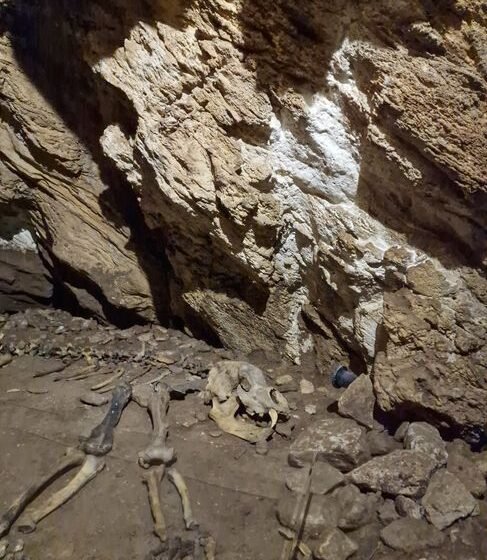
An Alpine guide has uncovered a significant paleontological site in the Austrian Alps, revealing over 100 cave bear skeletons in what experts are calling an extraordinary discovery.
Table Of Content
Unexpected Find in the Alps
The remains were located in a remote cave system in the Austrian region of Carinthia. The guide, who was exploring the area, stumbled upon the bones and alerted local authorities. Subsequent investigations led by paleontologists confirmed the presence of more than a hundred individual cave bear skeletons, making this one of the most substantial finds of its kind in Europe.
Insights Into Prehistoric Life
Cave bears (Ursus spelaeus) roamed Europe during the Pleistocene epoch and became extinct around 24,000 years ago. The newly discovered skeletons are believed to date back tens of thousands of years, offering valuable information about the species and their environment. Scientists are eager to analyze the bones to learn more about the bears’ diet, health, and causes of extinction.
Key Features of the Discovery
- The site contains more than 100 individual skeletons, many of which are nearly complete.
- Initial analysis suggests the bears died in the cave over several millennia, possibly seeking shelter during harsh winters.
- Preservation conditions in the cave have kept the bones in remarkable shape, allowing for detailed study.
Scientific and Cultural Significance
Experts describe the find as “sensational,” highlighting its potential to shed light on both the biology of cave bears and the prehistoric landscape of the Alps. The discovery may also provide clues about the interactions between early humans and large mammals in the region.
Next Steps for Researchers
- Paleontologists plan to conduct further excavations to uncover additional remains and artifacts.
- Detailed laboratory analysis will be carried out to determine the age and health of the bears.
- Researchers hope to reconstruct the ancient environment and understand why so many bears perished in the same location.
Public Interest and Future Plans
The site is currently being protected to prevent damage while research continues. There are plans to eventually display some of the skeletons in local museums, allowing the public to learn more about these ancient animals and their world.
For more details, visit the original report at this link.