
Baby Survives Premature Birth. Weeks Later, Parents Get Devastating News
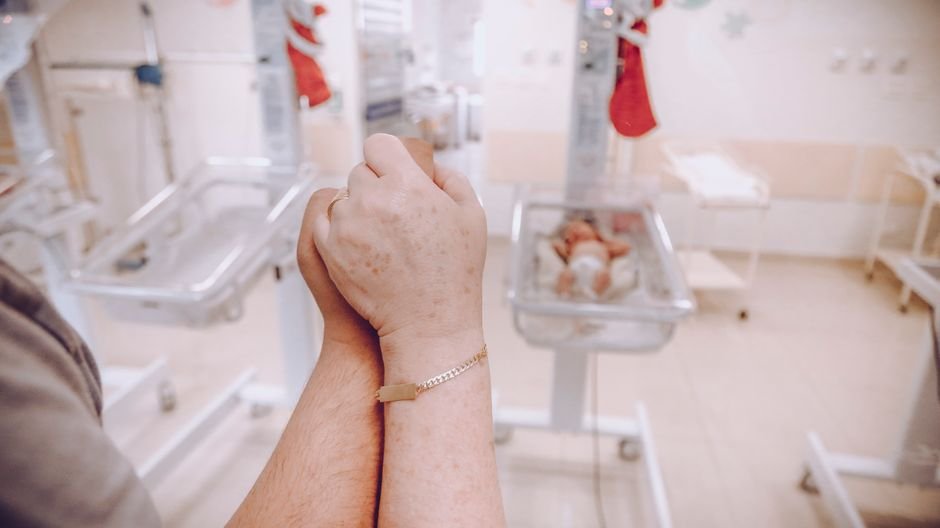
When Emily and Mark Johnson welcomed their baby boy, Noah, into the world 12 weeks ahead of schedule, they were filled with both hope and anxiety. Born weighing just over two pounds, Noah’s arrival marked the beginning of a challenging journey in the neonatal intensive care unit (NICU).
Table Of Content
A Difficult Start
Noah’s early birth meant he required immediate medical attention. Doctors placed him in an incubator, connected to a web of tubes and monitors. The Johnsons spent every day at his bedside, watching for any sign of progress.
- Noah received oxygen support to help his underdeveloped lungs.
- He was fed through a tube as he was too small to nurse.
- Each day brought new hurdles, but also small victories, like gaining a few grams or breathing unassisted for a short time.
Signs of Hope
After several weeks, Noah began to show signs of improvement. He gradually gained weight and was able to spend more time outside the incubator in his parents’ arms. Nurses and doctors expressed cautious optimism, and Emily and Mark started to believe their son might soon be able to come home.
An Unexpected Turn
Just as the Johnsons were preparing for Noah’s discharge, a routine screening revealed something unexpected. Doctors noticed irregularities in Noah’s movements and reflexes, prompting further tests. The news that followed was devastating: Noah had been diagnosed with a rare neurological disorder.
Understanding the Diagnosis
The condition, which affects the development of the brain and nervous system, could lead to lifelong challenges. Specialists explained that while some children with the disorder make progress, others may face significant delays or disabilities.
- Noah may require ongoing physical and occupational therapy.
- He could experience difficulties with movement, speech, and learning.
- The prognosis varies widely, making the future uncertain.
Moving Forward Together
Despite the heartbreaking diagnosis, Emily and Mark remain committed to giving Noah the best possible care. They have connected with support groups and medical professionals to learn more about his condition and how to help him thrive.
“We’re taking it one day at a time,” Emily shared. “Noah has already shown us how strong he is. We’ll face whatever comes as a family.”
For more on this story, visit this link.