

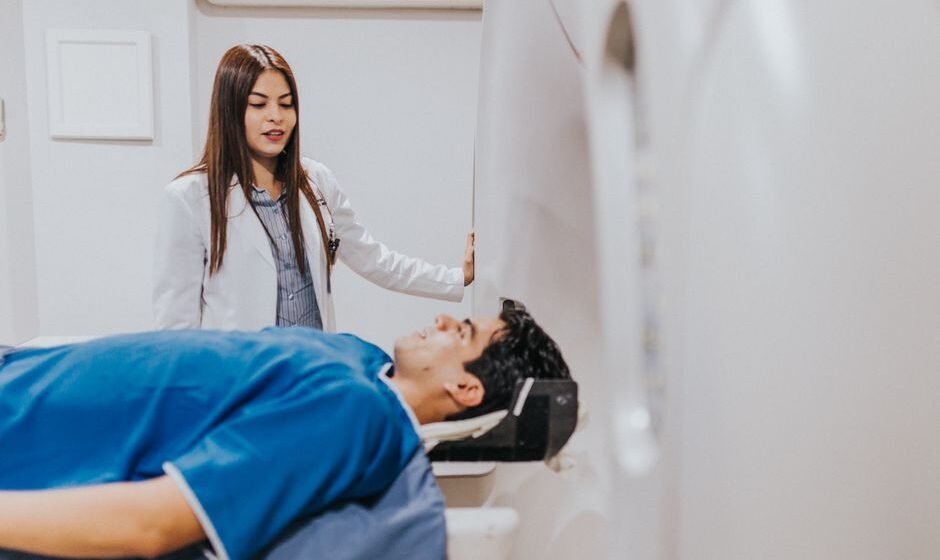
Doctors hopeful new imaging technology could allow CTE diagnosis in living patients
Medical professionals are expressing optimism that a new brain imaging technique could soon make it possible to diagnose chronic traumatic encephalopathy (CTE) in living patients, a breakthrough that could transform the understanding and treatment of this degenerative brain disease.
Table Of Content
CTE: A Challenging Diagnosis
CTE is a progressive brain disorder linked to repeated head injuries, commonly affecting athletes in contact sports and military personnel. Currently, a definitive diagnosis of CTE can only be made after death through an autopsy, leaving those affected without clear answers during their lifetimes.
Advancements in Imaging Technology
Researchers are now testing an innovative imaging technology designed to detect tau protein buildup in the brain—a key marker of CTE. This new approach utilizes a specialized PET scan to highlight abnormal tau deposits, potentially allowing doctors to identify the disease in living patients for the first time.
How the Imaging Works
- The process involves injecting a radioactive tracer that binds to tau proteins.
- PET scans then capture images of the brain, revealing areas with abnormal tau accumulation.
- Researchers compare these images to those from healthy individuals to spot differences indicative of CTE.
Implications for Patients and Research
Being able to diagnose CTE in living individuals could have significant benefits, including:
- Providing patients with clarity about their symptoms and condition
- Enabling earlier intervention and tailored treatment plans
- Facilitating research into potential therapies and preventative measures
Ongoing Studies and Future Prospects
Clinical trials are underway to validate the accuracy and reliability of this imaging method. Experts caution that more research is needed before it becomes widely available, but early results are promising.
Dr. Jesse Mez, a neurologist involved in the research, noted, “This technology could be a game-changer for patients and families seeking answers.”
Looking Ahead
While challenges remain, the potential to diagnose CTE in living patients represents a major step forward in brain health. If successful, this imaging breakthrough could pave the way for better care and deeper understanding of a condition that has long eluded definitive diagnosis during life.
Read more at this link.