

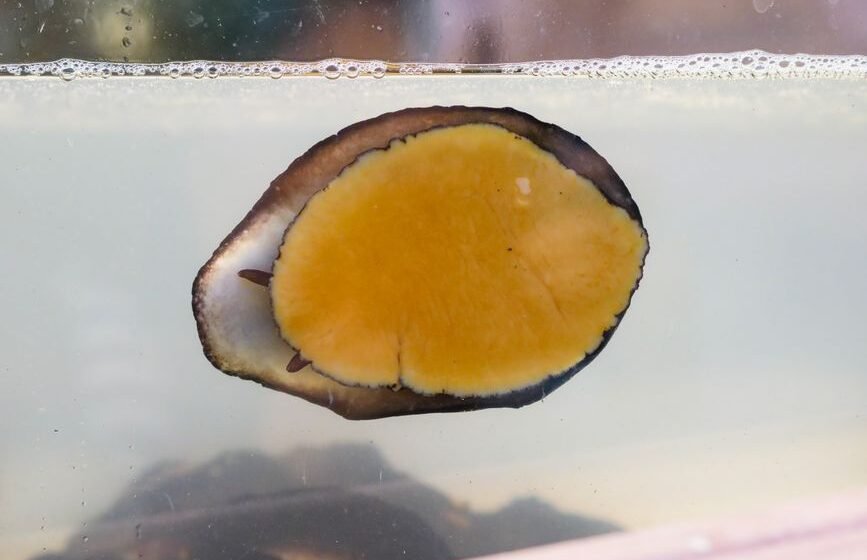
First Live White Abalone Found in 5 Years During Channel Islands Survey Sparks Hope for Recovery
Marine biologists conducting a recent survey in the Channel Islands have discovered a live white abalone, marking the first sighting of the endangered mollusk in the wild in half a decade. This rare find is fueling renewed optimism among conservationists working to restore the species, which has been on the brink of extinction due to overfishing and environmental pressures.
Table Of Content
Significant Discovery Amid Ongoing Conservation Efforts
The white abalone was located during a routine survey led by a team of divers and researchers. The Channel Islands, known for their rich marine biodiversity, have long been a focal point for abalone recovery projects. The last documented encounter with a live white abalone in the wild occurred five years ago, underscoring the rarity and importance of this latest observation.
Experts believe that the abalone’s presence is a positive sign, suggesting that ongoing restoration strategies, including captive breeding and outplanting, may be starting to yield results. The discovery has invigorated efforts to monitor and support the remaining wild populations.
White Abalone: A Species on the Edge
White abalone (Haliotis sorenseni) once thrived along the California coast, but populations plummeted in the late 20th century due to intensive harvesting. By 2001, the species was listed as endangered under the Endangered Species Act, with estimates indicating that fewer than 1,600 individuals remained in the wild.
- White abalone are slow-moving marine snails that inhabit rocky reefs.
- They play a crucial role in maintaining healthy kelp forest ecosystems.
- Overfishing and disease have been the primary threats to their survival.
Restoration Initiatives and Future Prospects
Conservationists have implemented several measures to help the white abalone recover. These include:
- Captive Breeding: Breeding programs at aquariums and research centers aim to increase the number of healthy juveniles.
- Outplanting: Juvenile abalones raised in captivity are released into carefully selected sites in the wild.
- Monitoring: Regular surveys help track the progress of reintroduced populations and identify new individuals.
The recent sighting suggests that some of these efforts may be paying off. Researchers are hopeful that continued support and monitoring will further boost the species’ chances of survival.
Community Involvement and Ongoing Challenges
While the discovery is encouraging, experts caution that the white abalone remains critically endangered. Continued collaboration between scientists, government agencies, and local communities is essential for the species’ recovery.
Public awareness campaigns and responsible marine stewardship are also important in ensuring that the white abalone and other vulnerable species have a fighting chance to thrive in their natural habitats.
For more details, visit the original news report at this link.