

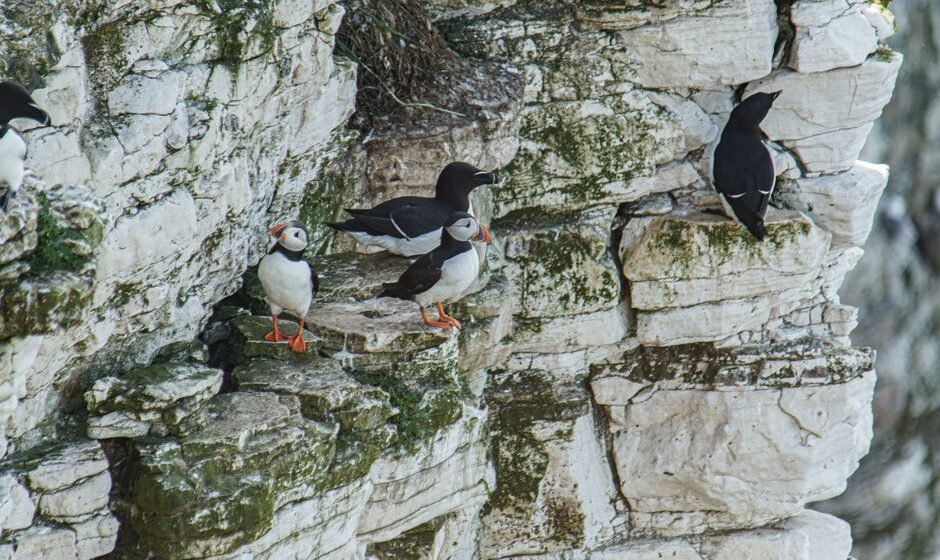
First Puffin Chick in 30 Years Spotted Emerging From Cliffs Along England’s South Coast
For the first time in thirty years, a puffin chick has been observed leaving its nest on the chalk cliffs of England’s southern shoreline, marking a significant milestone for conservationists and wildlife enthusiasts alike.
Table Of Content
A Rare Sighting on the Cliffs
The young puffin, known as a “puffling,” was spotted peeking out from a burrow on the cliffs, delighting local birdwatchers. The sighting took place at Seaford Head, a location not typically known for puffin breeding in recent decades. Conservation teams have been monitoring the area closely, hoping for signs of a resurgence in the puffin population.
Why Puffins Disappeared
Puffins once thrived along the southern coast of England, but their numbers dwindled due to several factors:
- Loss of suitable nesting sites
- Declining fish stocks, especially sand eels
- Predation by invasive species
- Impacts of climate change
These challenges led to the disappearance of breeding puffins from the region, with the last confirmed chick seen in the early 1990s.
Hope for Recovery
The recent appearance of a puffling has sparked optimism among conservationists. Efforts to restore habitats and protect nesting sites have been underway for years, and this event suggests that these measures may be paying off. Experts believe that improved food availability and reduced disturbance have contributed to the puffin’s return.
Community and Conservation Response
Local organizations and volunteers have played a vital role in monitoring the cliffs and supporting conservation initiatives. Their work includes:
- Installing protective fencing to deter predators
- Conducting regular surveys of seabird populations
- Educating the public about the importance of coastal habitats
These collaborative efforts are crucial for ensuring the continued recovery of puffins and other seabirds in the area.
Looking Ahead
While a single chick does not guarantee long-term success, conservationists remain hopeful. Continued monitoring and habitat management will be essential to support future generations of puffins along England’s southern coast.