

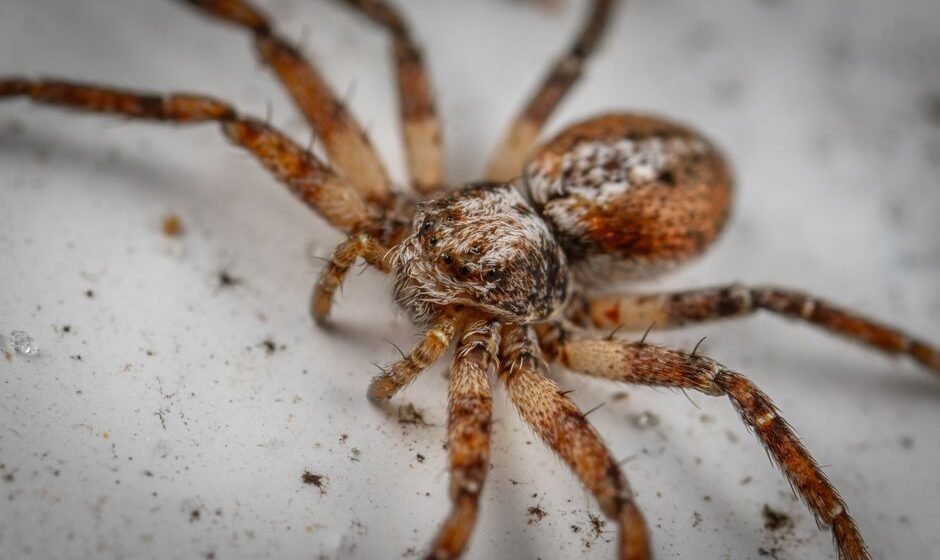
Found A House Spider? Don’t “Free It” Outside. You’re Only Making Things Worse
Spotting a spider inside your home can be unsettling, and the instinct for many is to scoop it up and set it free outside. While this might seem like a humane choice, it could actually be more harmful than helpful—for both the spider and your household.
Table Of Content
Why House Spiders Prefer Indoors
Most spiders you encounter indoors are species that have adapted to living inside human dwellings. These spiders have evolved over generations to thrive in the consistent temperature, humidity, and shelter that homes provide. Unlike their outdoor relatives, house spiders are not equipped to survive the unpredictable elements, predators, and lack of food outside.
Common Indoor Spider Species
- Common House Spider (Parasteatoda tepidariorum)
- Cellar Spider (Pholcus phalangioides)
- Domestic House Spider (Tegenaria domestica)
These species rarely venture outdoors and are unlikely to survive if relocated. Their natural habitat is your home, where they help control pests like flies, mosquitoes, and other insects.
The Risks of Relocating House Spiders
When you release a house spider outside, it faces several dangers:
- Exposure to harsh weather conditions
- Predation by birds, ants, or other animals
- Lack of suitable shelter and food sources
Most house spiders released outdoors die within a short period. Instead of helping, you may be inadvertently dooming the spider to an early death.
Spiders Are Beneficial Roommates
Though their presence may be unwelcome to some, spiders play a valuable role in your home’s ecosystem. They help keep populations of other insects in check, reducing the need for chemical pest control. Spiders are generally harmless to humans and prefer to stay out of sight.
What to Do If You Find a Spider Indoors
- If the spider is not in a problematic location, consider leaving it alone. It will likely remain hidden and help manage other pests.
- If you must remove it, relocate it to a less-trafficked area inside your home, such as a basement, garage, or storage room.
- Seal cracks and gaps in windows, doors, and walls to prevent more spiders from entering if you’re concerned about their numbers.
Understanding Spider Behavior
Spiders are not aggressive and rarely bite unless threatened. Most bites are harmless, and serious reactions are extremely rare. Learning to coexist with these creatures can reduce fear and help maintain a balanced indoor environment.
Conclusion
While the urge to rescue a spider by releasing it outside is understandable, it’s often not in the spider’s best interest. House spiders are adapted to indoor life and play a helpful role in controlling pests. Next time you encounter one, consider letting it stay—or at least relocate it somewhere safe indoors.