

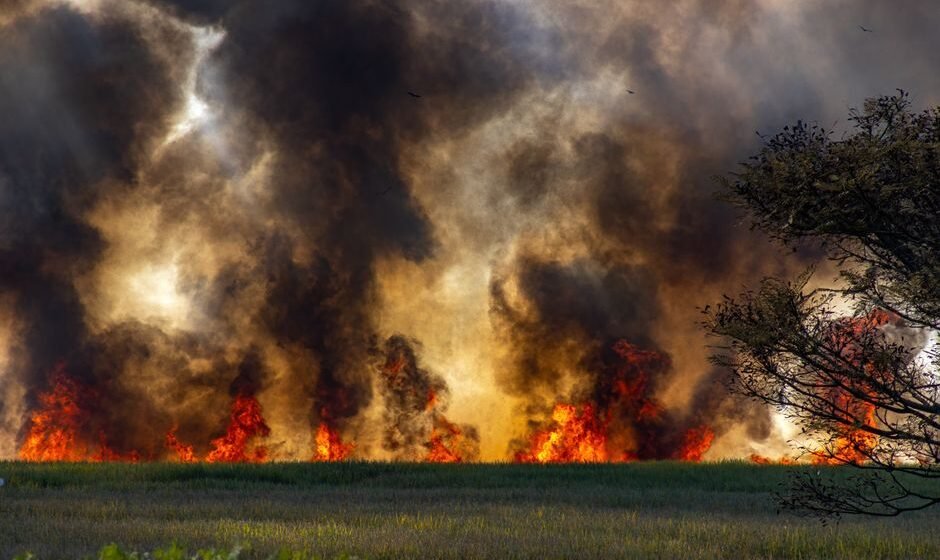
How rewilding could help stop the spread of Britain’s wildfires
As wildfires become more common and intense across Britain, experts are exploring new strategies to reduce their impact. One approach gaining attention is rewilding, which involves restoring natural habitats and letting ecosystems recover with minimal human intervention. This method may offer a promising solution to the growing wildfire threat.
Table Of Content
The Rising Threat of Wildfires
Recent years have seen a notable increase in wildfires throughout the UK, with dry spells and heatwaves contributing to the problem. Traditionally, land management practices such as controlled burning and grazing have been used to keep vegetation in check. However, these methods are not always effective in preventing large-scale fires.
How Rewilding Works
Rewilding focuses on allowing nature to take its course, often by reintroducing native species, restoring wetlands, and encouraging the growth of diverse plant life. By creating more resilient ecosystems, rewilding can help reduce the amount of dry, flammable vegetation that fuels wildfires.
- Restoring wetlands increases soil moisture and acts as a natural firebreak.
- Encouraging a mix of plant species can limit the spread of fire-prone grasses and shrubs.
- Reintroducing grazing animals like wild ponies or cattle helps keep vegetation under control.
Case Studies and Success Stories
Several rewilding projects across Britain have shown positive results. For example, at the Knepp Estate in West Sussex, natural grazing and habitat restoration have led to a more diverse landscape that is less susceptible to wildfires. Similar initiatives in Scotland and Wales are also seeing benefits, with restored wetlands and woodlands acting as buffers during dry periods.
Challenges and Considerations
While rewilding offers many advantages, it is not without challenges. Some landowners are concerned about the impact on agriculture and local economies. There are also questions about how quickly rewilded areas can adapt to changing climate conditions. Careful planning and collaboration with local communities are essential for successful rewilding projects.
The Future of Wildfire Management
As climate change continues to drive extreme weather, finding sustainable ways to manage wildfires is increasingly important. Rewilding, by promoting healthier and more diverse ecosystems, could play a key role in reducing the risk and severity of wildfires in Britain. With continued research and investment, this approach may become a vital part of the country’s wildfire prevention strategy.