

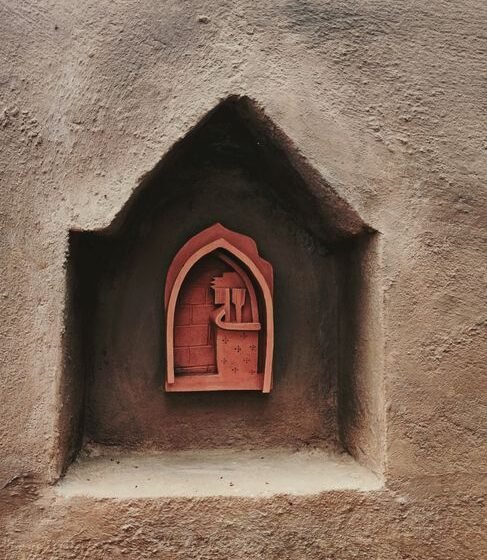
Indian Home Stays Cool Without A/C Through Clever Clay Architecture
As temperatures soar across India, one family has found a sustainable way to keep their home comfortable without relying on air conditioning. Their unique approach centers on traditional clay architecture, which naturally moderates indoor temperatures even during the hottest months.
Table Of Content
Harnessing the Power of Clay
The house, located in a region known for its intense summer heat, was constructed using locally sourced clay bricks and tiles. These materials, chosen for their thermal properties, help maintain a stable indoor climate. The thick clay walls absorb heat during the day and release it slowly at night, reducing the need for artificial cooling.
Design Features That Make a Difference
- Thick Walls: The structure features walls that are significantly thicker than those in conventional homes, providing superior insulation.
- High Ceilings: Elevated ceilings allow hot air to rise, keeping living spaces cooler.
- Cross Ventilation: Windows are strategically placed to encourage airflow, drawing in cool breezes and expelling warm air.
- Clay Tiles: The roof is covered with clay tiles, which reflect sunlight and further reduce heat absorption.
Benefits Beyond Comfort
Beyond keeping the interior cool, this architectural style offers several additional advantages:
- Energy Efficiency: By minimizing the need for air conditioning, the home consumes less electricity, lowering utility bills and reducing its carbon footprint.
- Environmental Impact: Using natural, locally available materials lessens the environmental cost associated with manufacturing and transporting conventional building supplies.
- Longevity: Clay structures are known for their durability, often lasting for generations with minimal maintenance.
Reviving Traditional Techniques
The family’s decision to embrace clay architecture reflects a growing interest in traditional building methods that are both eco-friendly and effective. As modern cities grapple with rising temperatures and energy demands, such approaches offer valuable lessons in sustainable living.
Looking Ahead
With climate change intensifying heatwaves across the globe, more homeowners are exploring alternatives to energy-intensive cooling systems. The success of this Indian home demonstrates that time-tested materials and thoughtful design can provide comfort while caring for the environment.
For more details, visit the original report at this link.