

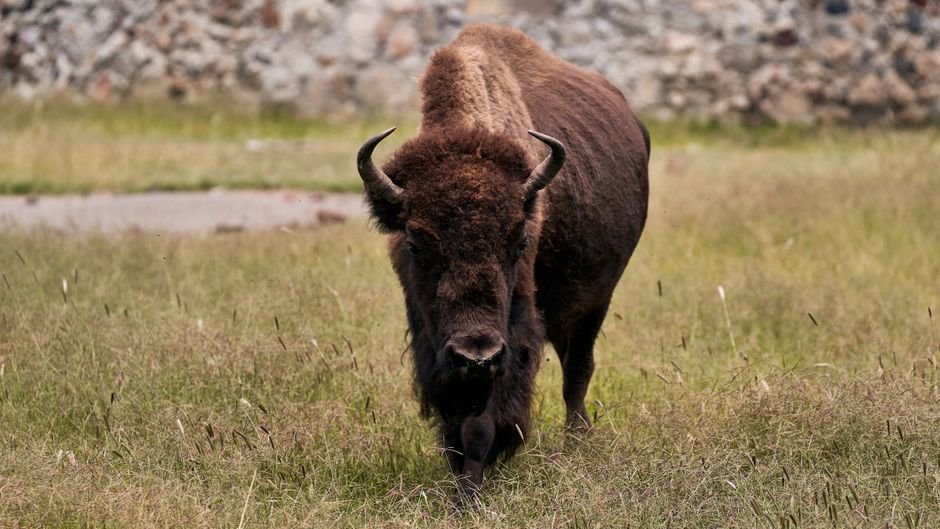
Mexico Reintroduced Bison into Precious Desert Ecosystem After Century-Long Absence
After more than a century without them, bison have made a return to Mexico’s Chihuahuan Desert, marking a significant step in restoring the region’s ecological balance. Conservationists and government agencies have collaborated to reintroduce these iconic animals to their historic range, where their absence had left a noticeable gap in the ecosystem.
Table Of Content
A Species Returns Home
Once roaming the vast grasslands of northern Mexico in large numbers, bison disappeared from the region in the early 1900s due to overhunting and habitat loss. Their reintroduction is part of a broader effort to revive the natural processes that depend on their presence, such as soil aeration and seed dispersal, which benefit numerous plant and animal species.
Conservation Efforts and Partnerships
The initiative to bring bison back involved a partnership between environmental organizations, local communities, and government bodies. The animals were carefully transported from established herds in the United States, undergoing health checks and acclimatization before being released into the protected grasslands of the Janos Biosphere Reserve.
- Collaboration between Mexican and U.S. conservationists
- Strict health screenings to prevent disease transmission
- Gradual adaptation to the new environment
Ecological Impact and Future Goals
Bison play a crucial role in maintaining the health of grassland ecosystems. Their grazing patterns help control invasive species and promote the growth of native plants. By disturbing the soil with their hooves, they create habitats for other wildlife and contribute to nutrient cycling.
With the successful reintroduction, conservationists hope to see:
- Recovery of native grasslands
- Increased biodiversity
- Greater resilience to climate change
Challenges and Community Involvement
Despite the positive outlook, the project faces challenges such as ensuring the bison’s long-term survival and managing their interactions with local livestock. Community engagement and education have been key to addressing concerns and fostering support for the initiative.
Efforts include:
- Workshops for local ranchers on coexistence strategies
- Monitoring programs to track bison health and movement
- Ongoing habitat restoration projects
Looking Ahead
The return of bison to the Chihuahuan Desert is seen as a hopeful sign for the region’s ecological restoration. As these animals settle into their new home, conservationists remain committed to supporting their adaptation and ensuring the continued recovery of one of North America’s most threatened ecosystems.