

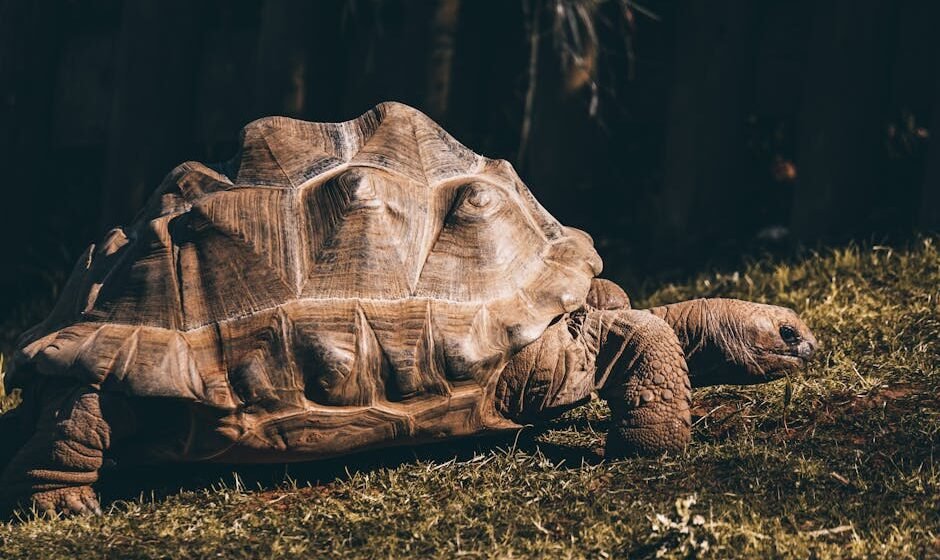
Passionate ‘Tortoise Guardians’ Help Critically-Endangered Giant Tortoise Slowly Return to India
In a remote corner of India, a group of committed conservationists, affectionately known as ‘Tortoise Guardians,’ are working tirelessly to reintroduce the critically endangered giant tortoise to its native habitat. Their efforts are slowly bearing fruit, offering hope for the survival of this remarkable species.
Table Of Content
Reviving a Lost Species
The giant tortoise, once native to the Indian subcontinent, had vanished from the region due to habitat destruction and poaching. Now, after decades of absence, conservationists are striving to restore the species by carefully breeding and releasing tortoises into protected reserves.
The Role of ‘Tortoise Guardians’
These guardians, a mix of local villagers and wildlife experts, play a crucial part in the project. They monitor the tortoises, ensure their safety, and educate the community about the importance of conservation. Their daily routines include:
- Tracking tortoise movements using GPS devices
- Protecting nests from predators and poachers
- Providing supplemental food during dry seasons
- Organizing awareness campaigns in nearby villages
Challenges on the Path to Recovery
Restoring the giant tortoise population is a slow and challenging process. The species has a low reproductive rate, and young tortoises are vulnerable to a range of threats. Additionally, habitat loss remains a significant concern, as agricultural expansion encroaches on traditional nesting grounds.
Community Involvement Makes a Difference
One of the key factors behind the project’s progress is the involvement of local communities. By engaging villagers as guardians and stewards, the initiative has fostered a sense of ownership and pride. This collaboration has led to a reduction in poaching and increased support for habitat protection.
Hope for the Future
While the journey to restore the giant tortoise is far from over, the dedication of the ‘Tortoise Guardians’ is making a tangible impact. With continued support, conservationists are optimistic that the species will once again thrive in India’s wild landscapes.
For more on this story, visit this link.