
Paws and perspectives: Can a good-deed release harm nature?
Many people believe that setting animals free is a compassionate act, often performed with the hope of giving creatures a better life. However, experts warn that these well-meaning gestures can sometimes have unintended consequences for local ecosystems.
Table Of Content
Intentions Behind Animal Releases
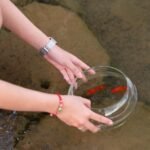
Releasing animals, whether as part of cultural traditions or personal acts of kindness, is a practice seen around the world. Individuals may purchase birds, turtles, or fish from markets and release them into the wild, thinking they are saving lives. Some religious ceremonies also include freeing animals as a symbol of mercy or spiritual merit.
Unintended Environmental Impacts
While the motivation behind these actions is often positive, the ecological results can be problematic. Introducing animals to unfamiliar habitats can disrupt local wildlife, spread disease, and even threaten native species. In some cases, released animals become invasive, outcompeting indigenous creatures for resources and altering the balance of the ecosystem.
Common Issues Caused by Animal Releases
- Invasive Species: Non-native animals may thrive in new environments, multiplying rapidly and overwhelming local populations.
- Disease Transmission: Released animals can carry illnesses that native species have no immunity against, leading to outbreaks.
- Resource Competition: New arrivals may compete with native animals for food and shelter, putting additional stress on the ecosystem.
Expert Advice on Responsible Actions
Wildlife specialists recommend that individuals who wish to help animals consider alternative approaches. Supporting conservation organizations, volunteering for habitat restoration, or donating to rescue centers can make a positive difference without risking ecological harm.
Guidelines for Animal Welfare
- Research before taking action—understand the needs and natural habitats of animals.
- Consult with local wildlife authorities or experts if you encounter animals in distress.
- Support reputable organizations dedicated to animal protection and environmental conservation.
Finding Balance Between Compassion and Conservation
Acts of kindness toward animals are admirable, but it is important to consider the broader impact on nature. By making informed choices, individuals can ensure their good intentions lead to positive outcomes for both animals and the environment.