

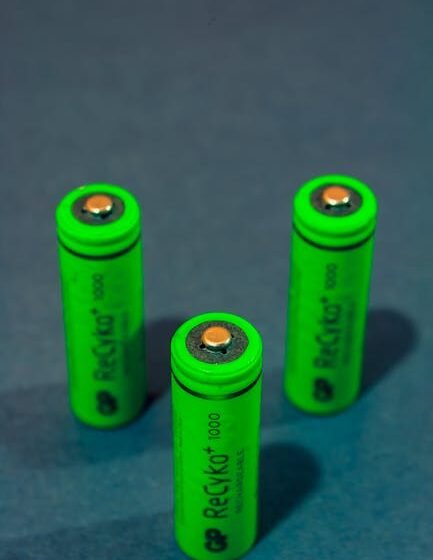
Ready to take charge: three innovative types of energy storage
As the world transitions toward cleaner energy sources, the need for effective energy storage has never been greater. Innovative storage technologies are essential for balancing supply and demand, integrating renewable energy, and ensuring reliable power. Here are three pioneering energy storage methods that are shaping the future of electricity.
Table Of Content
1. Advanced Battery Systems
Modern battery technologies are at the forefront of energy storage advancements. Lithium-ion batteries, widely used in electric vehicles and grid storage, offer high energy density and rapid response times. Researchers are also developing alternatives, such as sodium-ion and solid-state batteries, which promise improved safety, longer lifespans, and reduced reliance on scarce materials.
- Lithium-ion batteries: Popular for their efficiency and scalability.
- Sodium-ion batteries: Utilize abundant materials and offer cost advantages.
- Solid-state batteries: Enhance safety and energy density by replacing liquid electrolytes with solid materials.
2. Pumped Hydro Storage
Pumped hydro storage is a well-established method that uses gravity and water to store and generate electricity. During periods of low demand, excess energy pumps water from a lower reservoir to a higher one. When demand rises, the water is released back down, spinning turbines to produce power. This approach provides large-scale, long-duration storage and helps stabilize the grid.
- High capacity: Can store vast amounts of energy for extended periods.
- Grid balancing: Supports the integration of variable renewable sources like wind and solar.
- Long lifespan: Facilities can operate for decades with minimal degradation.
3. Thermal Energy Storage
Thermal energy storage systems capture and store heat or cold for later use. One common technique involves heating molten salts with surplus electricity, which can then be used to generate steam and drive turbines when needed. These systems are particularly useful for storing solar energy and providing power after sunset.
- Molten salt storage: Efficiently retains heat for hours or even days.
- Flexible deployment: Can be integrated with solar thermal plants and industrial processes.
- Reduced emissions: Enables greater use of renewable energy by bridging supply gaps.
Looking Ahead
Innovative energy storage technologies are crucial for a sustainable energy future. As research and investment continue, these solutions are expected to become more efficient, affordable, and widespread, paving the way for a resilient and cleaner power grid.
Read more at this link.